
Suzanne Somers Diet Plan: A Comprehensive Guide (Updated 02/02/2026)
Somersizing, detailed in resources like downloadable PDF guides, centers on food combining for optimal digestion and weight loss, eliminating “funky foods” and embracing hormonal balance.
Somersizing, popularized by Suzanne Somers and often found detailed in a PDF format, isn’t merely a diet; it’s a lifestyle shift rooted in understanding how food combinations impact the body. Born from Somers’ own frustrating experiences with traditional dieting and career pressures, this approach rejects deprivation in favor of strategic eating. The core philosophy revolves around the idea that certain food pairings hinder digestion and contribute to weight gain, while others promote efficient metabolism.
Unlike restrictive diets, Somersizing emphasizes enjoying food – even fats – while adhering to specific rules. These rules, readily available in comprehensive guides, focus on separating fruits, pairing proteins and fats with vegetables, and combining carbohydrates with vegetables. The elimination of “funky foods” like sugar and white flour is also central. Somers’ journey, documented in books like “Eat Great, Lose Weight,” highlights a path towards sustainable weight management and renewed enjoyment of food, making the PDF a valuable resource.
The Core Principles of the Somersizing Diet
The Somersizing diet, often detailed in a downloadable PDF guide, centers around strategic food combining to optimize digestion and promote weight loss. A foundational principle is eating fruits alone, on an empty stomach, to allow for rapid digestion and nutrient absorption. This prevents fermentation and bloating. Secondly, proteins and fats are paired with non-starchy vegetables, creating a satisfying and metabolically efficient meal.
Carbohydrates are permitted, but only when combined with vegetables – never with fats or proteins. Crucially, the diet advocates eliminating “funky foods” – primarily sugar and white flour – believed to disrupt hormonal balance and hinder weight loss. Somers’ approach, as outlined in resources like her books, isn’t about calorie restriction, but about how you eat. The PDF emphasizes achieving hormonal harmony through these principles, leading to sustained results and a healthier relationship with food.
Suzanne Somers’ Personal Journey with Weight Loss
Suzanne Somers’ weight loss journey, extensively documented in her books and often available as a PDF resource, began after a career setback due to body image concerns. This sparked a decades-long exploration of various diets, ultimately leading her to develop Somersizing. Frustrated with the failures of traditional dieting and deprivation, she sought a sustainable solution.
Her research, involving consultations with numerous nutritionists and dietitians, culminated in a food-combining plan focused on hormonal balance rather than strict calorie counting. Somers’ personal experience fueled her belief that long-term weight management requires a shift in mindset and a focus on food quality and combinations. The PDF versions of her plans often highlight her own struggles and triumphs, offering relatable inspiration. She aimed to “love food again” and escape the “diet roller coaster,” a goal she achieved and now shares through her method.

The Somersizing Food Combining Rules
Somersizing, often detailed in a PDF guide, emphasizes specific food pairings: fruits alone, proteins/fats with vegetables, and carbohydrates with vegetables—avoiding detrimental mixes.
Fruits: Eating Them Alone
Somersizing, as outlined in the PDF version of her plan, strictly advocates for consuming fruits on an empty stomach. This principle stems from the belief that fruits digest rapidly, and combining them with other food groups—proteins, fats, or carbohydrates—can lead to fermentation and digestive discomfort.
Suzanne Somers believed this fermentation process hinders optimal nutrient absorption and contributes to weight gain. Therefore, fruits are to be enjoyed as a standalone snack or as the initial course of a meal, allowing them to pass through the digestive system efficiently. The PDF guide details how this practice supports better energy levels and reduces cravings.
This rule isn’t about eliminating fruit; it’s about how you eat it. Somers emphasized enjoying the natural sugars in fruit without the interference of slower-digesting foods, maximizing their benefits and aiding in weight management.
Protein & Fats with Vegetables
According to the Somersizing PDF guide, a cornerstone of the diet involves pairing proteins and fats with non-starchy vegetables. This combination is considered highly compatible for digestion, as proteins and fats digest at a similar rate. Somers believed this synergy prevents fermentation and promotes efficient nutrient utilization.
The PDF emphasizes choosing lean protein sources and healthy fats – options detailed in dedicated food lists within the guide. Non-starchy vegetables, like leafy greens, broccoli, and asparagus, provide essential vitamins, minerals, and fiber without interfering with protein and fat digestion.
This pairing is designed to keep you feeling satiated and energized, reducing cravings for less healthy options. Somers’ approach, detailed in the downloadable resource, prioritizes this combination for stable blood sugar levels and sustained weight loss.
Carbohydrates & Vegetables – A Permitted Combination
The Somersizing PDF outlines that carbohydrates can be enjoyed, but specifically with vegetables, never with proteins or fats. This combination is considered acceptable because carbohydrates and vegetables digest at roughly the same pace, minimizing digestive disruption. Somers advocated for this pairing as a way to satisfy carbohydrate cravings without hindering weight loss efforts.
The guide details acceptable carbohydrate choices – focusing on complex carbohydrates over refined sugars and white flour, which fall into the “funky foods” category. Pairing these with non-starchy vegetables adds fiber and nutrients, further supporting healthy digestion and satiety.

This rule, clearly explained in the PDF, is crucial for adhering to the Somersizing principles and achieving optimal results, allowing for a more balanced and enjoyable eating experience.
Foods to Eliminate: The “Funky Foods”
The Somersizing PDF emphatically identifies “funky foods” as detrimental to weight loss and overall health. Suzanne Somers considered sugar her “body’s greatest enemy,” and its complete elimination is a cornerstone of the plan. White flour, along with processed foods and artificial sweeteners, also fall into this prohibited category.
These foods are believed to disrupt hormonal balance and contribute to cravings, hindering the body’s natural ability to burn fat. The PDF stresses that avoiding these items isn’t simply about calorie restriction, but about optimizing metabolic function.
Somers’ approach, detailed within the guide, emphasizes a return to whole, unprocessed foods, freeing individuals from the “diet roller coaster” perpetuated by these problematic ingredients.
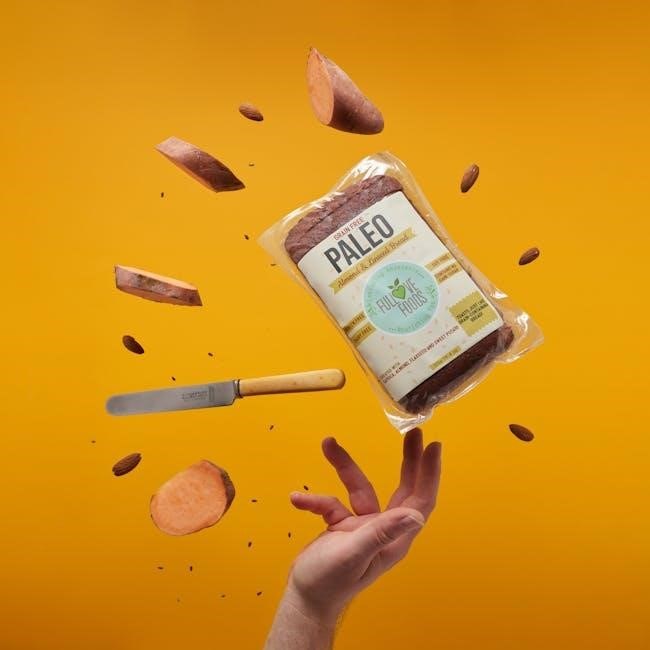
Detailed Food Lists for Somersizing
Somersizing PDF resources provide comprehensive lists categorizing approved proteins, healthy fats, permitted vegetables, and acceptable carbohydrates for structured meal planning and success.
Approved Protein Sources
Somersizing, as detailed in available PDF guides, emphasizes lean protein sources consumed alongside non-starchy vegetables. This combination is central to the diet’s metabolic principles. Excellent choices include a variety of poultry like chicken and turkey, ensuring skin is removed to minimize fat intake. Fish, particularly those rich in omega-3 fatty acids such as salmon and tuna, are highly encouraged.
Lean cuts of beef and pork are permissible in moderation. Plant-based protein options, like tofu and tempeh, also fit within the Somersizing framework. Eggs are a versatile and valuable protein source. The PDF materials often highlight the importance of portion control, even with approved proteins, to maintain optimal results. Avoiding processed meats is crucial, as these often contain “funky foods” – ingredients to eliminate according to Somersizing principles.
Healthy Fat Choices
The Suzanne Somers Diet Plan, outlined in comprehensive PDF resources, surprisingly embraces healthy fats, challenging conventional dieting wisdom. Somersizing recognizes the importance of fats for hormonal balance and satiety, crucial for long-term weight management. Approved fats include avocados, providing monounsaturated fats and essential nutrients. Olive oil, particularly extra virgin, is a staple for cooking and salad dressings;
Nuts and seeds, such as almonds, walnuts, and flaxseeds, offer healthy fats and fiber. Fatty fish, already approved as a protein source, also contribute valuable omega-3 fatty acids. The PDF guides emphasize moderation, even with healthy fats, as they are calorie-dense. Avoiding trans fats and heavily processed oils is paramount, aligning with the diet’s “funky foods” elimination principle. Somersizing views fat not as the enemy, but as a facilitator of weight loss when combined correctly.
Permitted Vegetables
The Suzanne Somers Diet Plan, detailed in available PDF guides, champions a generous intake of non-starchy vegetables. These form the cornerstone of meals when paired with proteins and fats, or carbohydrates, adhering to the core food-combining principles. Leafy greens like spinach, kale, and lettuce are highly encouraged, providing essential vitamins and minerals with minimal caloric impact.
Cruciferous vegetables – broccoli, cauliflower, cabbage, and Brussels sprouts – are also freely permitted, known for their detoxifying properties. Other approved options include asparagus, green beans, cucumbers, zucchini, and peppers. The PDF resources stress variety to ensure a broad spectrum of nutrients. While starchy vegetables are not entirely forbidden, they are categorized as carbohydrates and should be consumed separately, avoiding combinations with fats. Somersizing prioritizes vegetables for their fiber content and ability to promote fullness.
Acceptable Carbohydrate Options
According to the Suzanne Somers Diet Plan, as outlined in downloadable PDF guides, carbohydrate choices are crucial and require specific pairing rules. Somersizing doesn’t eliminate carbs entirely, but advocates for their consumption with vegetables, never with fats or proteins. Acceptable options include whole grains like quinoa and brown rice, though moderation is key.
Fruits, while technically carbohydrates, are consumed alone on an empty stomach, following a unique Somersizing principle. Other permitted carbohydrates include sweet potatoes and yams, offering a more nutritious alternative to white potatoes. The PDF materials emphasize avoiding refined carbohydrates like white bread and pasta. Legumes, such as beans and lentils, can also be included as carbohydrate sources, always paired with non-starchy vegetables to optimize digestion and prevent weight gain.

Somersizing Recipes & Meal Ideas
PDF resources offer over a hundred recipes, blending creative and traditional dishes, designed to eliminate cravings and support weight loss through food combining principles.
Breakfast Recipes
Somersizing breakfast options, often detailed within PDF guides, prioritize protein and healthy fats combined with permitted vegetables, avoiding the mixing of carbohydrates. A typical morning meal might include scrambled eggs with spinach and a side of avocado – a cornerstone of the plan. Recipes emphasize fresh, whole foods, steering clear of “funky foods” like sugar and white flour.
Many PDF resources showcase variations like salmon patties with steamed asparagus, or a protein shake featuring unsweetened almond milk and a handful of berries (consumed alone, as fruit is always eaten separately). The focus isn’t on deprivation, but on strategic food combinations to optimize digestion and hormonal balance. Somers’ approach encourages enjoying flavorful meals while adhering to the core principles of the diet, making breakfast a satisfying and effective start to the day.
Lunch & Dinner Suggestions
Somersizing lunch and dinner, as outlined in comprehensive PDF guides, consistently pair protein and fats with non-starchy vegetables. Think grilled chicken salad with olive oil and mixed greens, or baked salmon with steamed broccoli. Recipes often feature creative seasoning to enhance flavor without relying on “funky foods” like sugary dressings or processed ingredients.

Dinner options might include a lean steak with a large portion of asparagus, or shrimp stir-fry with zucchini and bell peppers. Carbohydrates are reserved for separate meals. The PDF resources emphasize portion control and mindful eating. Somers’ plan isn’t about restriction, but about understanding how food combinations impact your body. These meals aim to provide sustained energy and support hormonal balance, leading to effective weight management and overall well-being.
Snack Options
Somersizing, detailed in available PDF guides, advocates for strategic snacking to manage cravings and maintain stable blood sugar levels. However, snacks adhere strictly to the food-combining rules. Fruits are always eaten alone, never combined with other food groups. Therefore, a small apple or a handful of berries serves as an ideal solo snack.
If protein or fat is desired, options include a few almonds or a small portion of cheese paired with permitted vegetables like celery sticks. Avoid combining snacks; for example, cheese and fruit are not allowed. The PDF resources emphasize listening to your body’s hunger cues and choosing snacks that support, rather than sabotage, your weight loss goals. Somers’ approach prioritizes mindful snacking and avoiding processed “funky foods” altogether.

Hormonal Balance & The Somersizing Approach
Somersizing, as outlined in the PDF, prioritizes achieving hormonal harmony through strategic food choices, impacting weight loss and overall well-being significantly.
The Role of Hormones in Weight Loss
Somersizing, detailed within the PDF guide, fundamentally acknowledges the critical influence of hormones on weight management. Traditional dieting often disregards this crucial aspect, leading to frustration and failure. Somers’ approach centers on understanding how hormonal imbalances – particularly concerning estrogen, progesterone, and cortisol – can hinder weight loss efforts and promote fat storage.
The PDF emphasizes that fluctuating hormone levels can trigger cravings, impact metabolism, and affect the body’s ability to burn fat efficiently. By focusing on food combining and eliminating “funky foods” (like sugar and white flour), Somersizing aims to restore hormonal balance. This, in turn, supports a more natural and sustainable approach to weight loss, moving beyond restrictive diets and towards a lifestyle that supports the body’s natural processes. The plan isn’t simply about calories; it’s about optimizing the body’s internal chemistry.
How Somersizing Supports Hormonal Harmony
The Suzanne Somers Diet Plan PDF details how specific food combinations work to stabilize hormone levels. Crucially, separating fruits from other foods prevents fermentation and sugar spikes, minimizing insulin resistance – a key factor in hormonal disruption. Pairing proteins and fats with vegetables provides sustained energy and supports hormone production without the inflammatory effects of combining carbohydrates.
Eliminating “funky foods” – processed sugars, white flour, and artificial ingredients – reduces inflammation and supports liver detoxification, vital for hormone metabolism. The PDF stresses that this isn’t about deprivation, but about choosing foods that nourish the endocrine system; By prioritizing whole, unprocessed foods and mindful eating, Somersizing aims to create an internal environment conducive to hormonal balance, leading to natural weight management and improved overall well-being. It’s a holistic approach, not just a diet.

Beyond the Diet: Lifestyle Factors
Somersizing, as outlined in the PDF, isn’t solely about food; hydration, exercise, and managing emotional eating are crucial for sustained success and overall wellness.
Importance of Hydration
Hydration is a cornerstone of the Somersizing plan, frequently emphasized within the detailed PDF guides and resources available. Adequate water intake supports optimal metabolic function, aiding in the digestion and absorption of nutrients from the carefully combined foods. Somersizing focuses on flushing out toxins, and water is essential for this detoxification process, promoting clearer skin and increased energy levels.
Beyond simply quenching thirst, proper hydration can also help manage cravings and reduce the sensation of hunger, contributing to adherence to the diet’s principles. Many find that drinking water before meals assists in portion control. The Somersizing approach recognizes that the body often mistakes thirst for hunger, making consistent hydration a vital component of successful weight management and overall health, as detailed in the comprehensive materials.

The Role of Exercise
While Somersizing, as outlined in the PDF guides, primarily focuses on dietary adjustments through strategic food combining, incorporating regular exercise significantly enhances results. The plan doesn’t prescribe intense workouts; instead, it advocates for enjoyable physical activity that supports hormonal balance and boosts metabolism. This could include walking, yoga, or light strength training – activities that complement the diet’s principles without causing undue stress on the body.
Exercise aids in building lean muscle mass, which further increases metabolic rate, assisting in fat burning. The Somersizing philosophy emphasizes a holistic approach, recognizing that physical activity isn’t solely about calorie expenditure but also about improving overall well-being and fostering a positive relationship with one’s body. Consistent movement, alongside the dietary guidelines, maximizes the potential for sustainable weight loss and improved health.
Managing Cravings & Emotional Eating
The Suzanne Somers Diet Plan, detailed in available PDF resources, acknowledges that cravings and emotional eating are common hurdles. Somersizing doesn’t advocate strict deprivation, but rather focuses on eliminating “funky foods” – sugar and white flour – which are known triggers for cravings. By removing these inflammatory ingredients, the plan aims to stabilize blood sugar levels and reduce intense urges.
Furthermore, the diet’s emphasis on enjoying food again, rather than restricting it, helps address emotional connections to eating. The plan encourages mindful eating and recognizing the difference between physical hunger and emotional needs. Somers’ approach promotes a positive relationship with food, allowing for occasional indulgences without derailing progress, fostering long-term success and breaking the diet roller coaster cycle.