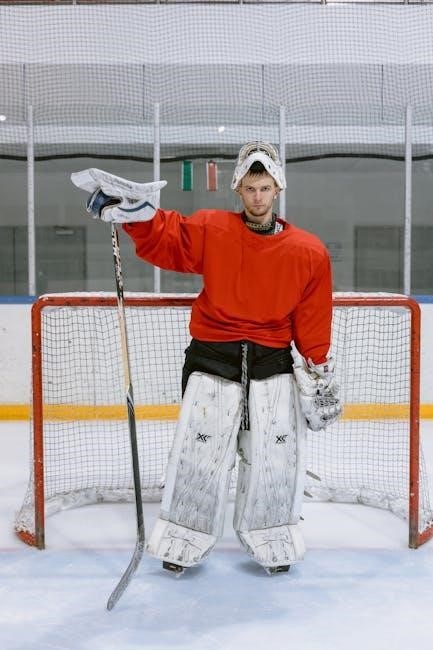
Goalie Pad Sizing Guide: A Comprehensive Overview (Updated 02/17/2026)
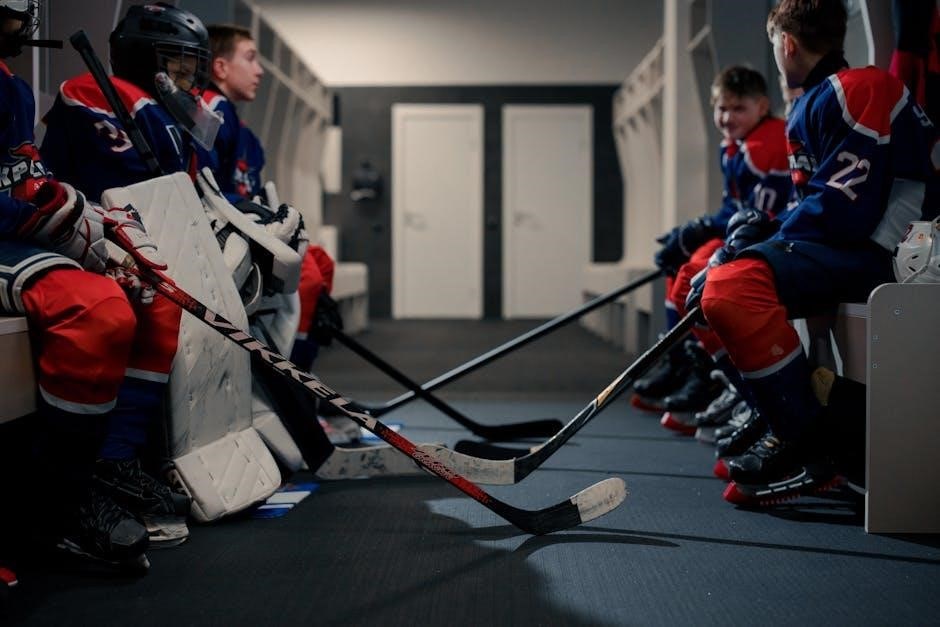
Navigating goalie pad sizing requires understanding height, shin length, and pad measurements; crucial for optimal performance and protection on the ice, as of today’s date.
Understanding Goalie Pad Sizing Basics
Goalie pad sizing isn’t simply about height; it’s a nuanced process blending physical measurements with playing style and league regulations. Determining the correct size ensures optimal coverage, mobility, and protection. Pads that are too large hinder movement, while those too small leave vulnerable areas exposed.
Generally, sizing begins with the goalie’s height, serving as a starting point. However, shin length is a more precise indicator, directly correlating to the pad’s required length. Pad length is measured from the ankle to the top of the pad, outside the seams. Consider the pad’s profile – wider pads offer more coverage but can be heavier, impacting agility.
Understanding these basics is the first step towards finding the perfect fit, maximizing performance, and minimizing injury risk. Proper sizing is paramount for all levels of play.
Importance of Proper Fit
A proper goalie pad fit is absolutely critical, extending far beyond mere comfort. Ill-fitting pads directly impact a goalie’s ability to react, move efficiently, and maintain balance – essential for making crucial saves. Pads that are too loose can shift during play, creating gaps and reducing protection. Conversely, overly tight pads restrict movement, hindering agility and responsiveness.
Correctly sized pads maximize coverage, safeguarding vulnerable areas like the knees, thighs, and ankles. This minimizes the risk of injury from puck impact. Furthermore, a good fit enhances a goalie’s confidence, allowing them to focus solely on the game.
Investing time in finding the right fit is an investment in performance and safety.
Measuring Your Leg for Goalie Pads
Accurate leg measurements are the foundation of selecting the correct goalie pad size. This process isn’t simply about shoe size; it requires specific measurements to ensure optimal protection and performance. You’ll need a flexible measuring tape and ideally, assistance from another person for accuracy.
Begin by standing straight with your skate on, against a wall. Measurements will include “floor to knee” – the distance from the sole of your skate to the center of your kneecap – and “shin length,” measuring from the top of your shin guard to the top of your skate.
Record these measurements carefully, as they’ll be crucial when consulting size charts.
Accurate Measurement Techniques
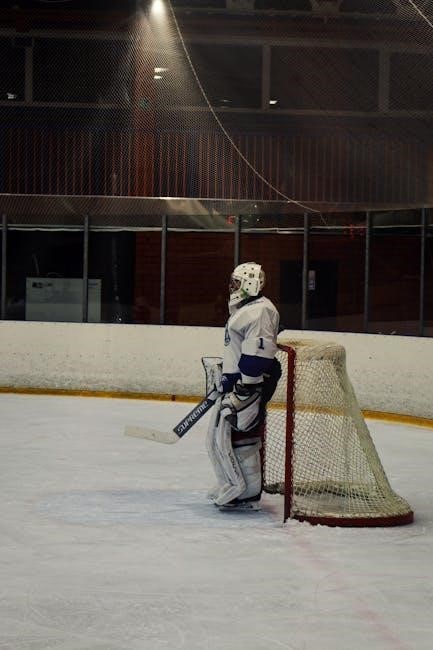
Precision is paramount when measuring for goalie pads. Use a flexible measuring tape, avoiding metal ones that don’t conform to the leg’s shape. Ensure the tape is snug but not overly tight, compressing the leg. Have a partner assist for greater accuracy, especially with the “floor to knee” measurement.
Stand with your back against a wall, wearing your game skates. The measurement should be taken from the floor to the center of your kneecap. For shin length, measure from the top of your shin guard (where it typically ends) to the top of your skate boot.
Record all measurements in centimeters for consistency.
Floor to Knee Measurement
The floor-to-knee measurement is a cornerstone of goalie pad sizing. Stand straight with your back flat against a wall, wearing your full goalie equipment – crucially, your game skates. This simulates your on-ice stance and ensures an accurate reading.
Using a flexible measuring tape, start at the floor and extend it upwards along the inside of your leg to the precise center of your kneecap. A second person assisting with this measurement is highly recommended for improved precision.
Record this measurement in centimeters; it directly correlates to recommended pad sizes in most sizing charts.
Shin Length Measurement
Accurately determining shin length is vital for selecting properly fitting goalie pads. Unlike the floor-to-knee measurement, this is taken without skates. Stand with your back against a wall, and slightly bend your knee.
Begin the measurement at the top of your shin – typically just below the kneecap – and extend it down to the top of your shin guard. Ensure the tape measure follows the contour of your shin, remaining snug but not overly tight.
Record this measurement in centimeters. Shin length, combined with floor-to-knee, provides a comprehensive sizing profile for optimal pad selection and performance.
Goalie Pad Size Charts
Utilizing goalie pad size charts is essential for finding the correct fit, as sizes vary between manufacturers. Charts typically categorize sizes based on either the goalie’s height or, more precisely, their shin length.
A general height-based chart offers a starting point, but shin length charts provide greater accuracy. For example, a shin length of 32-34cm might correspond to a pad size of 29-32 inches. Youth sizing differs significantly, requiring dedicated charts.
Always consult multiple charts and cross-reference measurements for the most reliable results. Remember these are guidelines; individual preferences and pad styles influence the final choice.
General Goalie Pad Size Chart (Height Based)
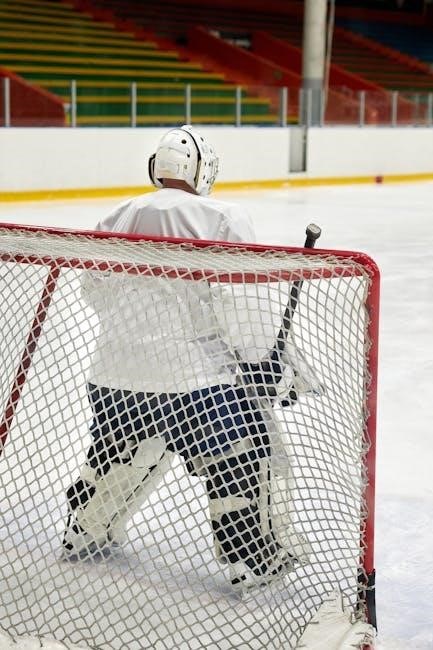
Here’s a general guideline linking goalie height to approximate pad size, though shin length is more accurate. Goalies under 5’6” typically use 26-28” pads. Those between 5’6” and 5’9” often fit into 28-30” pads.
For goalies ranging from 5’9” to 5’11”, 30-32” pads are common. Goalies 5’11” to 6’0” generally require 32-34” pads. Taller goalies, exceeding 6’0”, usually opt for 34-37” or larger pads.
Remember, this is a starting point. Body type, playing style, and personal preference significantly impact the ideal pad size. Always prioritize a proper shin measurement for a more precise fit.
Size Chart Based on Shin Length
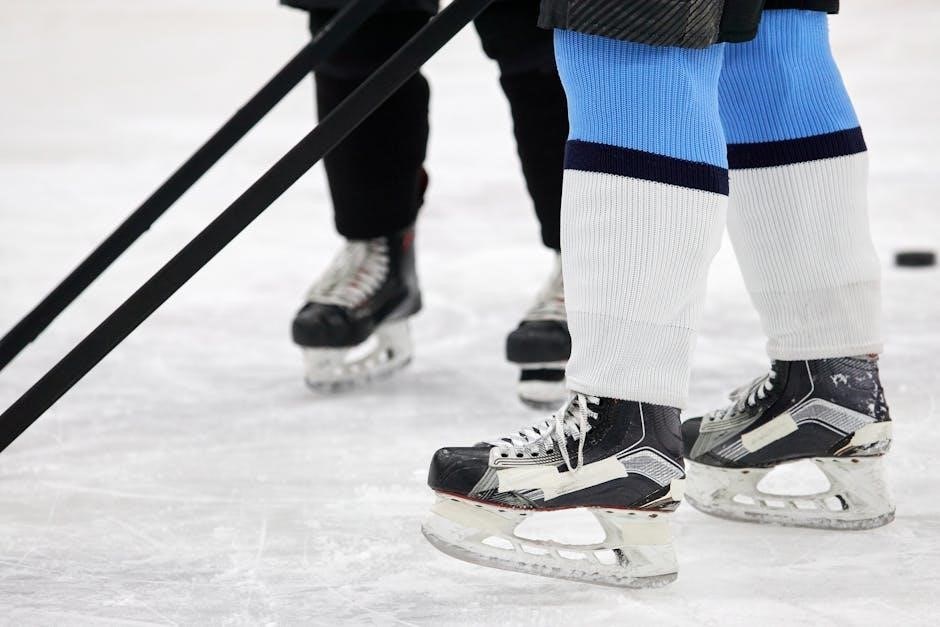
Shin length provides a more accurate pad sizing reference than height alone. A shin length of up to 122cm generally corresponds to a 29-32” pad. For shin lengths between 122cm and 127cm, a 32-34” pad is typically recommended.
Goalies with shin lengths ranging from 127cm to 132cm usually require 34-37” pads. Shin lengths exceeding 132cm often necessitate pads larger than 37”. It’s crucial to measure accurately from the floor to the center of the kneecap.
Consider your playing style; a more mobile goalie might prefer a slightly smaller pad for agility, while a larger pad offers greater coverage.
Youth Goalie Pad Sizing
Youth goalie pad sizing differs significantly from adult sizing, prioritizing proper fit for developing players. Height and weight are less reliable indicators; shin length is paramount. Younger goalies with shin lengths under 18 inches typically require smaller pads, often in the 22-24 inch range.
As shin length increases, pad size should incrementally increase to ensure adequate protection without hindering mobility. Always prioritize a snug, secure fit that doesn’t restrict movement. Consider growth – a little extra room can accommodate a season of growth, but avoid excessive looseness.
Key Goalie Pad Measurements
Understanding key goalie pad measurements is vital for a precise fit and optimal performance. Pad length, measured from the top of the pad to the bottom, directly correlates with the goalie’s floor-to-knee measurement. Pad width and profile influence coverage and butterfly style. Wider pads offer more coverage, while narrower pads enhance quickness.
The strap system is equally crucial; it secures the pad to the leg, preventing rotation and ensuring consistent positioning. Proper strap adjustments are essential for a comfortable, locked-in feel. These measurements, combined with shin length, dictate the ideal pad size for each individual goalie.
Pad Length Explained
Pad length is a primary factor in goalie pad sizing, measured externally from the top cuff to the bottom of the boot. It directly corresponds to the goalie’s floor-to-knee measurement, ensuring adequate leg coverage during the butterfly slide. A properly sized pad length prevents gaps and maximizes protection.
Generally, pad length increases with goalie height, but individual leg proportions matter significantly. Shorter goalies may require longer pads for sufficient coverage, while taller goalies might opt for shorter pads for maneuverability. Accurate measurement is key; avoid simply choosing a size based on height alone, as this can lead to an improper fit.
Pad Width and Profile
Pad width and profile significantly impact a goalie’s stance, seal, and overall comfort. Wider pads offer greater coverage but can restrict mobility, while narrower pads prioritize agility. Profile refers to the pad’s shape – flat, contoured, or hybrid – influencing how it conforms to the leg and interacts with the ice.
Goalies should consider their playing style when selecting pad width and profile. Butterfly-style goalies often prefer wider pads for maximum coverage, whereas more active goalies might favor narrower, more flexible options. Proper fit ensures the pad wraps securely around the leg without pinching or restricting movement.
Strap System Considerations
The strap system is crucial for securing the goalie pad and ensuring a personalized, comfortable fit. Different pads feature varying strap configurations – traditional, Velcro, or hybrid systems – each offering unique adjustability. Proper strap placement and tightness are essential for preventing pad rotation and maximizing responsiveness.
Goalies should pay attention to the quality and durability of the straps, as they endure significant stress during gameplay. Adjusting the straps correctly distributes pressure evenly across the leg, minimizing discomfort and maximizing protection. Experimenting with strap tension can fine-tune the pad’s feel and responsiveness, catering to individual preferences.
Goalie Pad Styles and Their Sizing Implications
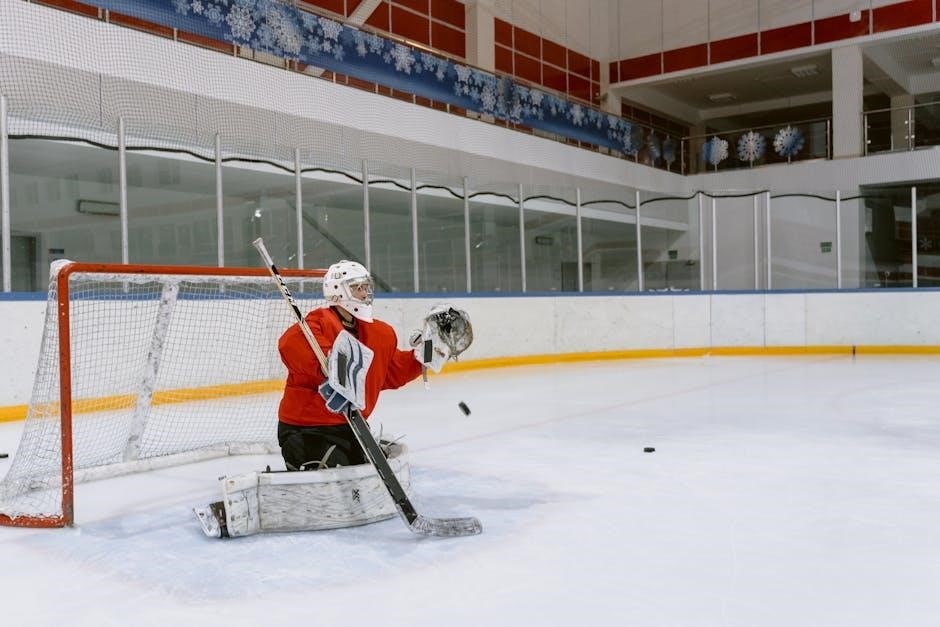
Goalie pad styles significantly impact sizing considerations, with traditional, butterfly, and hybrid designs each demanding a slightly different approach. Traditional pads, offering more coverage, often require a larger size for optimal protection. Butterfly pads, prioritizing quick movements, may necessitate a more snug fit to enhance responsiveness.
Hybrid pads blend features of both styles, requiring a balance between coverage and mobility when determining size. Street or roller hockey pads generally differ in construction and sizing from ice hockey pads, often being lighter and more flexible. Understanding these stylistic nuances is vital for selecting the correct pad size and achieving peak performance on any surface.
Traditional vs. Butterfly Pad Styles
Traditional goalie pads prioritize maximum coverage, featuring a wider profile and substantial padding throughout the leg. Sizing typically leans towards a slightly larger fit to ensure complete protection, potentially sacrificing some agility. Butterfly pads, conversely, emphasize quick lateral movements and responsiveness.
These pads are designed with a narrower profile and reduced bulk, demanding a more precise and snug fit. Sizing for butterfly pads often requires careful consideration of shin length and leg shape to avoid restriction. The choice between styles impacts sizing; traditional pads favor generous fit, while butterfly pads prioritize streamlined responsiveness.
Hybrid Pad Sizing
Hybrid goalie pads represent a blend of traditional and butterfly designs, aiming for a balance between coverage and mobility. Sizing these pads requires a nuanced approach, considering both leg measurements and preferred playing style. Generally, hybrid pads fall between traditional and butterfly sizing charts, often leaning slightly towards the butterfly end of the spectrum.
Accurate shin length and floor-to-knee measurements are crucial, but also assess your tendency towards a more upright or butterfly stance. A snug, yet comfortable fit is paramount, allowing for quick movements without sacrificing protection. Don’t solely rely on height-based charts; prioritize a fit that complements your technique and body type.
Street/Roller Hockey Pad Sizing
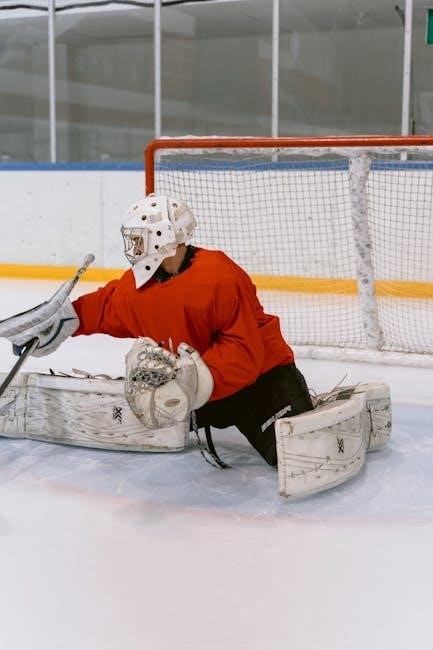
Street and roller hockey goalie pads often differ from ice hockey pads in construction and sizing, prioritizing durability and impact absorption on harder surfaces. Generally, sizing tends to be more forgiving than ice pads, as the faster pace and smaller rink dimensions necessitate quicker reactions.
Focus on a comfortable, protective fit that allows for agility, as falls are more common on concrete or asphalt. Shin length remains a key measurement, but consider a slightly larger pad size to compensate for the increased impact forces. Prioritize pads with reinforced padding and robust construction, ensuring adequate protection during play.
NHL Goalie Pad Regulations
The National Hockey League enforces strict regulations regarding goalie pad size, aiming to balance player protection with maintaining a competitive playing field. Historically, pad sizes have been a point of contention, leading to rule changes designed to limit excessive coverage.
Current regulations focus on the relationship between pad length and a goalie’s height, with specific limits on the maximum allowable pad length. Recent adjustments have addressed concerns about pad width and profile, ensuring fair play. Goalies must adhere to these rules to avoid penalties, and equipment is routinely inspected by officials.
Legal Pad Sizes in the NHL
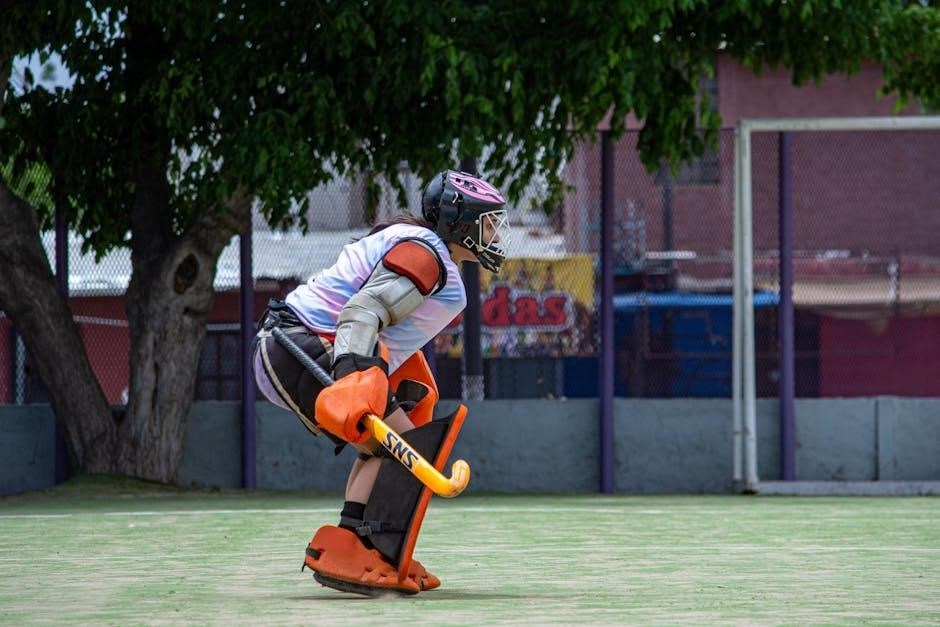
NHL regulations dictate that a goalie’s pad length cannot exceed a specific proportion of their height, generally measured from the floor to the top of the knee. Specifically, the pad length is limited to 35% of the goalie’s height, ensuring a reasonable balance between protection and maneuverability.
This measurement is taken while the goalie is in a standard goaltending stance, with skates on and knees bent. Pad width is also monitored, with restrictions in place to prevent excessive coverage. Equipment managers and league officials carefully verify pad sizes before and during games to maintain compliance with these rules, promoting fairness and safety.
Recent Rule Changes Regarding Pad Size
Recent NHL rule adjustments, implemented to address evolving equipment trends, focus on clarifying pad measurement protocols and tightening restrictions on overall coverage. The league has emphasized consistent application of the 35% height rule, leading to increased scrutiny of pad lengths during equipment checks.
Furthermore, adjustments have been made regarding the measurement point for pad length, ensuring a standardized approach across all teams. These changes aim to restore a balance between goalie protection and offensive opportunities, preventing excessive reliance on oversized equipment. Ongoing evaluation of pad technology and its impact on gameplay is expected, potentially leading to further refinements in the future.
Adjusting and Breaking In Goalie Pads
Proper adjustment is vital for maximizing pad performance and comfort. Begin by securing the straps, ensuring a snug but not restrictive fit around the leg. Heat molding, using a specialized pad oven or careful application of heat, can customize the pad’s shape to your leg contours. Strap adjustments should focus on achieving optimal rotation and responsiveness, allowing for quick movements.
Breaking in new pads requires patience and consistent use. Gradual on-ice time will soften the materials and conform them to your leg. Consider using pad liners for added comfort and to aid in the break-in process. Regular maintenance, like cleaning and drying, will prolong pad life and maintain flexibility.
Heat Molding and Customization
Heat molding dramatically improves pad fit and performance by conforming the materials to the goalie’s leg shape. Specialized pad ovens provide controlled heat, softening the pads for customization. Alternatively, careful use of a hairdryer can achieve similar results, though caution is crucial to avoid overheating. Professional heat molding services offer expertise and precision.
Customization extends beyond heat molding. Adding foam inserts can fill gaps and enhance comfort. Adjusting strap placements fine-tunes the pad’s responsiveness. Consider custom footbeds for improved support and energy transfer. Proper heat molding and customization maximize protection and agility.
Strap Adjustments for Optimal Fit
Proper strap adjustments are vital for securing goalie pads and maximizing mobility. Begin with the calf straps, ensuring a snug but not restrictive fit. Next, adjust the knee straps to center the pad over the knee joint, providing optimal protection during butterfly slides. Ankle straps should be tightened to prevent pad lift, maintaining stability and responsiveness.
Experiment with strap tension to find the sweet spot. Too tight restricts circulation; too loose compromises protection. Pay attention to how the pad feels during movement drills. Fine-tune adjustments based on individual preferences and skating style. Regularly check strap tightness to maintain a consistent, secure fit.
Breaking in New Pads
New goalie pads often require a break-in period to achieve optimal comfort and flexibility. Heat molding is a popular method, gently softening the materials to conform to the leg’s shape. This process, often done at a pro shop, enhances the pad’s fit and responsiveness. On-ice wear is crucial; frequent use gradually molds the pads to the goalie’s movements.
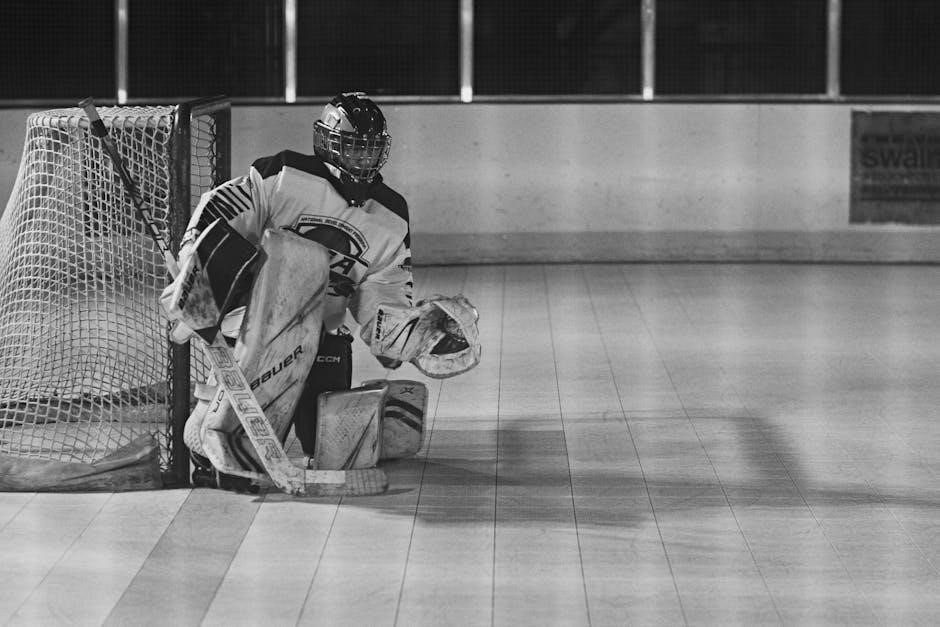
Start with shorter practice sessions, gradually increasing duration as the pads become more pliable. Focus on dynamic movements like butterfly slides and recoveries. Avoid excessive force during the initial break-in phase. Consider using pad sprays designed to accelerate the softening process, but follow manufacturer instructions carefully.
Common Goalie Pad Sizing Mistakes to Avoid
Relying solely on brand sizing can be misleading, as fits vary significantly between manufacturers. Ignoring shin guard fit within the pad is a critical error; proper shin protection is paramount. Assuming a specific size based on previously used pads is risky, as pad designs evolve and leg dimensions change over time.
Failing to account for individual leg shape and playing style leads to suboptimal performance. Neglecting professional fitting advice can result in discomfort and reduced mobility. Prioritizing aesthetics over functionality compromises protection and responsiveness. Skipping the floor-to-knee and shin length measurements introduces inaccuracy into the sizing process.
Choosing Pads Based on Brand Alone
Selecting goalie pads based solely on brand reputation is a common, yet significant, mistake. While established brands offer quality, sizing and fit vary considerably between their models and compared to competitors. Each brand employs unique construction techniques and sizing charts, meaning a “34” in one brand isn’t equivalent to a “34” in another.
Ignoring individual leg measurements and relying on brand loyalty can lead to improper fit, hindering performance and potentially causing discomfort or injury. Prioritize accurate measurements—floor-to-knee and shin length—over brand preference. Always try on pads from multiple brands to determine the best fit for your body and playing style, ensuring optimal protection and agility.
Ignoring Shin Guard Fit
Proper shin guard fit is paramount when selecting goalie pads; it’s often overlooked, leading to discomfort and reduced protection. Shin guards should fit snugly, extending from just above the ankle to the bottom of the kneecap, without bunching or gapping. Incorrectly sized shin guards compromise pad positioning and can create pressure points.
Always wear the shin guards you intend to use while trying on pads. The pad’s internal strapping system relies on a secure shin guard base. A loose shin guard shifts within the pad, affecting balance and responsiveness. Prioritize shin guard fit before focusing on pad aesthetics or brand; a comfortable, well-fitted shin guard is foundational for optimal performance and injury prevention.
Assuming Size Based on Previous Pads
Relying on previous pad sizes is a common, yet potentially significant, error in goalie pad selection. Pad sizing isn’t standardized across brands; a size 34 in one brand may differ considerably from a 34 in another. Body dimensions change over time, impacting optimal pad fit, even if staying with the same brand.
Always remeasure your leg – floor-to-knee and shin length – before purchasing new pads. Pad manufacturers update designs and sizing charts periodically. What fit well last season might now be too small or large. Treat each pad purchase as a fresh assessment, disregarding past sizes. Prioritize accurate measurements and consult current size charts for the best possible fit and performance.