jerk off instruction games

Article Plan: Jerk Off Instruction Games

Digital games offer role-playing and challenging learning approaches‚ improving attitudes and decision-making skills for real-life scenarios. Engaging platforms promote knowledge acquisition‚ especially in regions with limited technology access.

The integration of gamified learning into sexual health education represents a novel approach‚ particularly when considering the sensitive nature of the subject matter. Digital platforms‚ as highlighted‚ facilitate role-playing scenarios‚ offering a safe and engaging environment for exploration. This is especially crucial when addressing topics often shrouded in stigma or misinformation. The core concept revolves around leveraging the inherent motivational aspects of games – challenge‚ reward‚ and interactivity – to enhance knowledge acquisition and promote positive attitudes towards sexual health.

These interactive experiences move beyond traditional didactic methods‚ fostering a more active and participatory learning process. The use of games isn’t about trivializing the topic; rather‚ it’s about creating a space where individuals can comfortably explore concepts‚ test their understanding‚ and develop crucial decision-making skills applicable to real-life situations. The PPNNE Sexual and Reproductive Health Activity Book exemplifies this‚ utilizing coloring pages‚ quizzes‚ and puzzles to engage learners. This approach acknowledges the diverse learning styles and preferences‚ making sexual health education more accessible and effective.

Furthermore‚ the exploration of this concept within the context of Sub-Saharan Africa (SSA)‚ where technology use is comparatively limited‚ presents a unique opportunity to bridge educational gaps and address critical health needs.

Historical Context of Sex Education Games

The history of utilizing games for sex education is surprisingly nuanced‚ evolving alongside societal attitudes and technological advancements. Early attempts were often indirect‚ relying on board games with coded language or metaphorical representations to discuss reproduction and relationships. These efforts‚ while limited‚ demonstrated a recognition of the power of play in addressing sensitive topics. As technology progressed‚ the potential for more interactive and explicit educational tools emerged‚ though often met with resistance due to prevailing social norms and concerns about appropriateness.

The development of digital games in the late 20th and early 21st centuries offered new possibilities for immersive learning experiences. However‚ the application of gamification to sexual health remained relatively unexplored for a considerable period‚ largely due to taboos and a lack of dedicated research. The recent surge in interest reflects a growing acceptance of comprehensive sex education and a recognition of the limitations of traditional methods.

The current wave of development builds upon earlier attempts‚ leveraging the engaging qualities of digital platforms to create more effective and accessible learning tools‚ particularly in regions like SSA where access to information is often restricted.

Digital Games & Sexual Health Education in SSA

Sub-Saharan Africa (SSA) faces unique challenges in delivering comprehensive sexual health education‚ including limited resources‚ cultural sensitivities‚ and high rates of misinformation. Digital games present a potentially transformative solution‚ offering an accessible and engaging platform to address these issues. The novelty of exploring this intersection lies in the region’s historically limited technology use‚ making targeted gamified interventions particularly impactful.

These games can overcome barriers to traditional education by providing a safe and private space for learning‚ free from judgment or stigma. Interactive scenarios allow individuals to explore complex topics like consent‚ contraception‚ and sexually transmitted infections in a risk-free environment‚ fostering informed decision-making.

However‚ successful implementation requires careful consideration of cultural context and accessibility. Games must be designed to be relevant and sensitive to local norms‚ and efforts must be made to ensure access to technology‚ even in remote areas. The potential benefits – improved knowledge‚ altered attitudes‚ and enhanced skills – are significant‚ making digital gamification a promising avenue for advancing sexual health in SSA.

The Role of Role-Playing in Sexual Exploration

Role-playing within digital games offers a powerful avenue for exploring sexuality in a safe‚ controlled‚ and non-judgmental environment. This approach allows individuals to experiment with different scenarios‚ boundaries‚ and communication styles without real-world consequences‚ fostering self-discovery and understanding.

The anonymity afforded by digital platforms can be particularly beneficial‚ encouraging open exploration of desires and fantasies that individuals might be hesitant to express otherwise. Games can simulate interactions‚ enabling users to practice assertive communication‚ negotiation of consent‚ and understanding of partner preferences.

Furthermore‚ role-playing can challenge societal norms and dismantle harmful stereotypes surrounding sex and relationships. By embodying different characters and perspectives‚ players can develop empathy and broaden their understanding of diverse sexual experiences. This interactive learning process improves attitude and decision-making skills applicable to real-life scenarios‚ promoting healthier sexual behaviors and relationships.

Benefits of Gamified Learning for Sexual Health

Gamified learning significantly enhances sexual health education by transforming traditionally sensitive topics into engaging and approachable experiences. Digital games facilitate knowledge acquisition through interactive challenges‚ quizzes‚ and simulations‚ fostering a more receptive learning environment compared to conventional methods.

The inherent reward systems within games – points‚ badges‚ levels – motivate learners to actively participate and retain information. This approach is particularly effective in addressing potentially embarrassing or taboo subjects‚ reducing stigma and encouraging open dialogue. Gamification improves attitude and decision-making skills by presenting real-life scenarios in a low-stakes setting.

Moreover‚ games can cater to diverse learning styles‚ offering visual‚ auditory‚ and kinesthetic elements. This inclusivity ensures that information is accessible to a wider audience‚ including those who may struggle with traditional educational formats. The novelty of this approach‚ especially in regions with limited technology use‚ presents a unique opportunity to improve sexual health literacy.

Improving Attitude Through Interactive Games

Interactive games possess a remarkable capacity to reshape attitudes surrounding sexual health by normalizing conversations and dismantling harmful stigmas. By presenting information within engaging narratives and challenges‚ these platforms create a safe space for exploration and learning‚ fostering empathy and understanding.

The role-playing aspects inherent in many digital games allow individuals to step into different perspectives‚ promoting a more nuanced comprehension of consent‚ relationships‚ and responsible sexual behavior. This immersive experience can challenge pre-conceived notions and encourage critical thinking‚ leading to more positive and informed attitudes.

Furthermore‚ the gamified format encourages active participation and reduces the anxiety often associated with discussing sensitive topics. The playful nature of games can make learning enjoyable‚ fostering a more open-minded and receptive attitude towards sexual health education. This is particularly crucial in contexts where traditional approaches may be limited or ineffective.

Decision-Making Skills & Game Scenarios

Game scenarios provide a powerful platform for developing crucial decision-making skills related to sexual health. By presenting players with realistic dilemmas – navigating consent‚ choosing contraception‚ or responding to peer pressure – these games encourage thoughtful consideration of consequences and responsible choices.

These interactive experiences move beyond abstract knowledge‚ demanding active application of learned concepts. Players aren’t simply told what to do; they must analyze situations‚ weigh options‚ and experience the outcomes of their decisions within a safe‚ controlled environment. This fosters a deeper understanding of personal responsibility and the complexities of sexual interactions.

Effective game design incorporates branching narratives‚ where choices significantly alter the storyline‚ reinforcing the idea that actions have repercussions. This allows players to explore different paths and learn from both positive and negative outcomes‚ ultimately strengthening their ability to make informed and ethical decisions in real-life scenarios. The novelty of this approach enhances learning.

Knowledge Acquisition & Engaging Platforms

Digital platforms excel at facilitating knowledge acquisition in sexual health education‚ particularly by leveraging engaging formats. Traditional methods often struggle to capture and maintain attention‚ but interactive games offer a dynamic alternative‚ transforming learning into an enjoyable experience. This increased engagement directly correlates with improved retention and comprehension of complex topics.

The use of gamification – incorporating game-like elements such as points‚ badges‚ and leaderboards – further motivates learners and encourages active participation. These platforms can deliver information on a wide range of subjects‚ from anatomy and contraception to consent and healthy relationships‚ in a visually appealing and accessible manner.

Moreover‚ digital games can overcome geographical barriers and reach individuals who may not have access to traditional sex education resources. This is especially relevant in regions like Sub-Saharan Africa‚ where technology use is expanding and can bridge gaps in healthcare access. The novelty of this study highlights exploration into sexual health education in SSA countries.

PPNNE Sexual and Reproductive Health Activity Book

The PPNNE Sexual and Reproductive Health Activity Book represents a valuable resource for comprehensive sex education‚ offering a diverse range of learning tools beyond traditional lectures. It’s designed to accompany educational programming‚ providing a tangible and engaging supplement for learners of all ages. The book’s content encompasses crucial topics like consent‚ sexual and reproductive health‚ and identity exploration.

Inside‚ users will discover a variety of activities‚ including coloring pages‚ quizzes‚ and puzzles‚ all thoughtfully crafted to promote understanding and critical thinking. These interactive elements encourage active participation and make learning about sensitive subjects more approachable and less intimidating.

The book’s creators emphasize responsible distribution and usage‚ explicitly stating it’s not intended for commercial purposes. However‚ it’s freely available for educational use‚ empowering educators and organizations to deliver impactful sex education programs. The inclusion of diverse activities caters to different learning styles‚ maximizing comprehension and retention of vital information.

Coloring Pages & Quizzes in Sex Education

Integrating coloring pages and quizzes into sex education offers a unique and accessible approach to sensitive topics. Coloring pages‚ while seemingly simple‚ can serve as a non-threatening entry point for discussing anatomy‚ healthy relationships‚ and personal boundaries. They encourage creative expression and allow learners to visually engage with complex concepts.

Quizzes‚ on the other hand‚ provide a valuable assessment tool‚ gauging understanding and identifying areas where further clarification is needed. These aren’t intended to be high-stakes evaluations‚ but rather opportunities for self-reflection and knowledge reinforcement. Effective quizzes should focus on factual information and critical thinking‚ avoiding judgmental or shaming questions.

The PPNNE Activity Book exemplifies this approach‚ utilizing both coloring pages and quizzes to create a holistic learning experience. This combination caters to diverse learning styles‚ making sex education more inclusive and effective. Such methods can help dismantle stigma and promote open communication about sexual health.

Puzzles & Activities Related to Consent

Puzzles and interactive activities are crucial tools for teaching consent‚ moving beyond simple definitions to foster genuine understanding. Word searches‚ crosswords‚ and matching games can reinforce key vocabulary related to boundaries‚ respect‚ and communication. These activities encourage active participation and make learning about consent more engaging than traditional lecture-based methods.

Scenario-based puzzles‚ where learners must identify whether consent is present in a given situation‚ are particularly effective. These scenarios should be diverse and realistic‚ reflecting the complexities of interpersonal interactions. Activities that require students to role-play different consent conversations can further solidify their understanding.

The PPNNE Sexual and Reproductive Health Activity Book incorporates such elements‚ providing a safe space to explore these vital concepts. By framing consent as an ongoing process of communication and mutual respect‚ these puzzles and activities empower individuals to navigate relationships healthily and confidently. They help build a foundation for respectful interactions.

Educational Programming & Distribution

Effective educational programming surrounding sexual health requires a multifaceted approach‚ combining interactive games with comprehensive curricula. The PPNNE Sexual and Reproductive Health Activity Book exemplifies this‚ serving as a companion resource for structured educational initiatives. Distribution strategies must prioritize accessibility‚ reaching diverse populations through schools‚ community centers‚ and online platforms.

Workshops and training sessions for educators are essential‚ equipping them with the knowledge and skills to facilitate sensitive discussions and utilize gamified learning tools effectively. These programs should emphasize age-appropriateness and cultural sensitivity‚ tailoring content to the specific needs of the target audience.

Digital distribution offers scalability and cost-effectiveness‚ allowing for wider reach and easier updates. However‚ it’s crucial to address the digital divide‚ ensuring equitable access to technology and internet connectivity. Careful consideration must be given to privacy and data security when distributing materials online. Ultimately‚ successful programming hinges on collaboration between educators‚ healthcare professionals‚ and community organizations.

Concerns Regarding Use in Schools (US Context)

Implementing sexual health education‚ even gamified approaches‚ within US schools faces significant hurdles. Conservative parental groups and local school boards often express concerns about age-appropriateness‚ curriculum content‚ and perceived overreach of school authority into family matters. The potential for backlash‚ including legal challenges and public protests‚ is substantial.

Specific anxieties revolve around topics considered taboo or sensitive‚ potentially leading to accusations of indoctrination or promoting harmful behaviors. Texas‚ in particular‚ demonstrates a climate where comprehensive sex education is frequently restricted. Educators risk professional repercussions‚ even facing dismissal‚ for utilizing materials deemed inappropriate by community standards.

Navigating these challenges requires careful planning‚ transparent communication with parents‚ and adherence to state and local regulations. Obtaining informed consent and offering opt-out options are crucial. Despite these precautions‚ the political landscape remains volatile‚ necessitating ongoing advocacy for evidence-based sexual health education.

Condom Balloon Game: Mechanics & Rules

The “Condom Balloon Game” serves as a practical‚ engaging activity to demonstrate proper condom application and the fragility of latex. The core mechanic involves keeping an inflated balloon (representing a condom-covered penis) aloft‚ simulating the challenges of maintaining protection during intercourse. Players are strictly prohibited from directly touching the balloon.

Instead‚ participants must utilize tools – ideally‚ a condom demonstration model or similar safe objects – to balance‚ swat‚ or otherwise prevent the balloon from touching the ground. Contact results in restarting the game‚ emphasizing the importance of careful handling. This station typically functions as a culminating activity‚ reinforcing previously learned skills.

Variations include timed challenges or team-based competition. The game’s success hinges on clear instructions‚ a safe playing area‚ and a focus on the educational objective: highlighting the need for careful condom use to prevent breakage and unintended consequences. It’s a tactile‚ memorable way to practice safe sex techniques.

Condom Demonstration Models & Alternatives

Beyond traditional balloons‚ a variety of condom demonstration models exist to facilitate practical skills training. These range from realistic‚ textured models designed to mimic the sensation of intercourse to simpler‚ cost-effective alternatives constructed from readily available materials. The goal is to provide a safe‚ non-judgmental environment for practicing condom application and removal.

Alternatives to dedicated models include using bananas‚ oranges‚ or even PVC pipes as stand-ins‚ though these lack the realistic texture and stretch of latex. Regardless of the chosen tool‚ emphasis should be placed on proper technique: checking for tears‚ ensuring correct orientation‚ and avoiding air bubbles.

Supplementing physical models with visual aids – diagrams‚ videos‚ or interactive simulations – can further enhance learning. It’s crucial to address common mistakes and misconceptions‚ such as using oil-based lubricants with latex condoms. Providing diverse options caters to different learning styles and resource constraints‚ maximizing the effectiveness of sexual health education.

Pictionary with Sex Education Terminology

Adapting the classic game of Pictionary to sex education provides a fun‚ engaging way to reinforce key vocabulary and concepts. Participants take turns drawing terms related to sexual health‚ anatomy‚ contraception‚ and consent‚ while their teammates attempt to guess the word within a time limit. This activity encourages creative thinking and communication skills in a lighthearted setting.

To maximize learning‚ carefully curate the term list to align with specific educational objectives. Include both straightforward terms like “condom” and more nuanced concepts like “informed consent” or “hormonal contraception.” Consider incorporating visual cues or charade-like elements to aid understanding.

Pictionary fosters a comfortable atmosphere for discussing potentially sensitive topics‚ reducing stigma and promoting open dialogue. It’s particularly effective in group settings‚ encouraging peer-to-peer learning and reinforcing accurate information. The competitive element adds excitement‚ motivating participants to actively engage with the material.

Contraceptive Connections: Matching Game

This engaging matching game challenges participants to connect different contraceptive methods with their corresponding characteristics‚ benefits‚ and potential drawbacks. The goal is to reinforce knowledge about hormonal versus non-hormonal options‚ effectiveness rates‚ and proper usage. Cards can feature contraceptive names on one side and descriptions‚ mechanisms of action‚ or common misconceptions on the other.

The game format encourages active recall and critical thinking as players analyze each method and identify the correct matches. It’s an excellent tool for dispelling myths and addressing common misunderstandings about birth control. Including a variety of contraceptive options – pills‚ patches‚ IUDs‚ condoms‚ etc. – ensures comprehensive coverage.

“Contraceptive Connections” promotes informed decision-making by highlighting the pros and cons of each method‚ empowering individuals to choose the option best suited to their needs and lifestyle. The game can be adapted for different age groups and educational levels‚ making it a versatile resource for sexual health education.

Hormonal vs. Non-Hormonal Contraceptives

Understanding the distinction between hormonal and non-hormonal contraceptives is crucial for informed reproductive health choices. Hormonal methods‚ like pills‚ patches‚ and implants‚ utilize synthetic hormones to prevent pregnancy‚ primarily by suppressing ovulation or thickening cervical mucus. These options often come with systemic effects and potential side effects related to hormone fluctuations.

Non-hormonal methods‚ such as condoms‚ diaphragms‚ and copper IUDs‚ operate through physical barriers or mechanisms that don’t involve altering hormone levels. They generally have fewer systemic side effects but may require more consistent or correct usage to achieve optimal effectiveness.

Educational resources should clearly outline the mechanisms of action‚ effectiveness rates‚ advantages‚ and disadvantages of each type. Addressing common misconceptions about hormonal contraception – fears regarding weight gain or mood changes – is vital. A comprehensive approach empowers individuals to select a method aligning with their health status‚ preferences‚ and lifestyle‚ fostering responsible sexual behavior.

Addressing Misconceptions About Birth Control

Numerous misconceptions surrounding birth control often stem from misinformation and societal stigma‚ hindering informed decision-making. A common myth is that hormonal birth control causes significant weight gain‚ which is largely unsupported by scientific evidence; individual experiences vary. Another prevalent belief is that emergency contraception is an abortifacient‚ which is inaccurate – it prevents pregnancy‚ but does not terminate an established one.

Furthermore‚ some individuals falsely believe that certain methods protect against sexually transmitted infections (STIs)‚ when only abstinence and consistent condom use offer reliable protection. Addressing these inaccuracies requires clear‚ evidence-based education delivered in a non-judgmental manner.

Gamified learning platforms can effectively debunk myths by presenting factual information in an engaging format. Interactive quizzes and scenarios can challenge pre-conceived notions and promote critical thinking. Open dialogue and access to reliable resources are essential for empowering individuals to make informed choices about their reproductive health‚ free from unfounded fears and biases.

Future Trends in Sexual Health Gamification

The future of sexual health gamification promises increasingly immersive and personalized experiences‚ leveraging advancements in virtual reality (VR) and artificial intelligence (AI). We can anticipate more sophisticated role-playing scenarios that simulate real-life interactions‚ allowing users to practice communication and consent skills in a safe environment. AI-powered chatbots could provide tailored information and support‚ addressing individual concerns and misconceptions.

Gamified platforms will likely integrate with wearable technology to track physiological responses‚ offering insights into arousal and sexual function. Furthermore‚ blockchain technology could enhance data privacy and security‚ ensuring sensitive information is protected.

Expanding accessibility to underserved populations‚ particularly in regions like Sub-Saharan Africa with limited technology access‚ remains a crucial focus. Mobile-first designs and offline functionality will be essential. Ultimately‚ the goal is to create engaging‚ evidence-based games that empower individuals to make informed decisions about their sexual health and well-being‚ fostering a culture of open communication and respect.


have yourself a merry little christmas pdf

Have Yourself a Merry Little Christmas PDF: A Comprehensive Guide (Updated 01/22/2026)

Have Yourself a Merry Little Christmas sheet music in PDF format offers piano, vocal, and guitar scores, originally in A key, typically spanning 5 pages.

“Have Yourself a Merry Little Christmas” is a beloved and enduring Christmas classic, first introduced in the 1944 MGM musical Meet Me in St. Louis. Originally penned as a rather melancholic ballad by Hugh Martin and Ralph Blane, it was sung by Judy Garland, and its initial lyrics reflected the wartime anxieties of the era.

Over the years, the song has undergone lyrical revisions, becoming more hopeful and optimistic, solidifying its place as a staple of the holiday season. Its enduring appeal lies in its poignant message of finding joy and comfort amidst difficult times. The song’s popularity has led to countless recordings by various artists, and a significant demand for sheet music, particularly in PDF format, allowing musicians of all levels to learn and perform this timeless piece.

Today, accessing a Have Yourself a Merry Little Christmas PDF is incredibly easy, with numerous online resources offering free and paid versions for piano, guitar, and vocal arrangements.

What is a “Have Yourself a Merry Little Christmas PDF”?

A “Have Yourself a Merry Little Christmas PDF” refers to a digital document containing the sheet music for the iconic Christmas song. This format allows musicians to easily download, view, and print the musical notation on various devices. Typically, these PDF files include the melody line, harmony, lyrics, and chord symbols for piano, vocal, or guitar performance.

These digital versions often cater to different skill levels, offering simplified arrangements for beginners alongside more complex versions for advanced players. The PDF format ensures accessibility and portability, making it convenient for musicians to practice and perform the song anywhere. Common features include scoring for piano/vocal/guitar, original keys like A, and a standard page count of around 5 pages.

Essentially, it’s a readily available, digital means of accessing and learning this cherished holiday tune.

Finding and Accessing Sheet Music

Numerous online platforms offer Have Yourself a Merry Little Christmas sheet music in PDF format, ranging from free resources to paid, professionally arranged versions.

Popular Websites for Free PDF Sheet Music

Several websites provide access to free Have Yourself a Merry Little Christmas sheet music in PDF format. Musicnotes.com features a substantial library, often with preview options before downloading. IMSLP (International Music Score Library Project) is a valuable resource, though its offerings may vary in arrangement quality.

Additionally, websites like SheetMusicPlus offer a selection of free arrangements alongside their paid content. Many individual musicians and arrangers also share their creations on platforms like MuseScore, creating a diverse range of options; Be mindful of copyright when utilizing free resources, and always check the licensing terms. These sites cater to various skill levels, offering simplified versions for beginners and more complex arrangements for experienced musicians. Remember to scan downloaded files for safety before opening them.

The availability of specific arrangements (piano, vocal, guitar) can differ between sites, so exploring multiple options is recommended.

Paid Sheet Music Resources & Their Benefits

Investing in paid sheet music for “Have Yourself a Merry Little Christmas” offers several advantages. Websites like Musicnotes.com and SheetMusicPlus provide professionally arranged, high-quality PDF versions, often with official licensing. These arrangements typically boast accurate transcriptions and clear formatting, enhancing the learning experience.

Paid resources frequently include multiple instrumentation options – piano, vocal, guitar, and even orchestral arrangements – catering to diverse ensembles. Benefits extend to access to transposed versions, allowing musicians to play in comfortable keys. Furthermore, purchasing supports composers and arrangers, encouraging continued creation of quality music.

Many platforms offer instant digital download, eliminating shipping costs and delays. Paid sheet music often includes accompanying audio tracks for practice and performance, and guarantees a legally obtained, copyright-compliant copy.

Understanding Different Sheet Music Formats (PDF, MIDI)

When searching for “Have Yourself a Merry Little Christmas” sheet music, you’ll encounter various formats. PDF (Portable Document Format) is the most common, offering a visually accurate representation of the printed score – ideal for reading and printing. It preserves formatting, ensuring notes and lyrics appear as intended.

MIDI (Musical Instrument Digital Interface) files, however, are different. They don’t display notation but contain instructions for playing the song. You need a MIDI player or Digital Audio Workstation (DAW) to hear the music. MIDI allows for tempo adjustments and instrument changes.

While PDFs are best for learning to read music, MIDI files are useful for hearing the song and experimenting with arrangements. Some websites offer both formats, providing flexibility for different learning styles and musical needs. Consider your goals when choosing a format.

Sheet Music Details & Variations

“Have Yourself a Merry Little Christmas” PDFs are available in keys like A and G, with arrangements for piano, guitar, and vocals, often totaling 5 pages.

Key Signatures Available (A, G, and others)

Have Yourself a Merry Little Christmas sheet music PDFs demonstrate versatility in key signatures, catering to diverse vocal ranges and instrumental preferences. While the original key is prominently A, numerous arrangements are readily available in G, simplifying playability for guitarists and vocalists more comfortable in that key.

Beyond A and G, you’ll discover transpositions to accommodate various skill levels and instrumentations. Some PDFs offer options for keys like C, D, or Eb, expanding accessibility. The availability of different keys allows musicians to select a version that best suits their individual needs and avoids challenging vocal stretches or complex fingerings.

These transpositions are often clearly indicated on sheet music websites, allowing for easy filtering and selection. Exploring these options ensures a more enjoyable and successful musical experience with this beloved Christmas classic. Finding the right key is crucial for a comfortable and expressive performance.

Arrangements for Different Instruments

Have Yourself a Merry Little Christmas sheet music PDFs aren’t limited to a single instrument; they showcase arrangements tailored for a wide array of musical talents. Piano arrangements range from beginner-friendly simplified versions to complex, intermediate, and advanced pieces demanding greater skill.

Guitar players can find options including chord charts for strumming, tablature (tabs) for picking, and intricate fingerstyle arrangements. Vocal arrangements are commonly presented with or without accompanying piano parts, catering to solo singers or ensembles.

Furthermore, PDFs extend beyond these core instruments, offering sheet music for flute, and other instruments, demonstrating the song’s adaptability. The sheer volume – over 1,000,000 digital music options – ensures a version exists to suit nearly any musician’s preference and skill level, fostering widespread enjoyment of this timeless carol.

Piano Arrangements: Beginner, Intermediate, Advanced

Piano sheet music for “Have Yourself a Merry Little Christmas” caters to all skill levels. Beginner arrangements simplify the melody and harmonies, often using single-note accompaniment and basic chords, ideal for those new to the instrument.

Intermediate versions introduce more complex chord voicings, slightly faster tempos, and potentially some embellishments, challenging players to develop their technique. Advanced arrangements present the full harmonic richness of the song, incorporating intricate runs, arpeggios, and potentially jazz-influenced harmonies.

PDFs frequently offer simplified left-hand patterns for easier playing, while more challenging versions demand coordination and a strong understanding of music theory. These varying levels ensure that pianists of any proficiency can enjoy performing this beloved Christmas classic, adapting the music to their individual capabilities.

Guitar Arrangements: Chords, Tabs, Fingerstyle

Guitar sheet music for “Have Yourself a Merry Little Christmas” comes in diverse formats to suit different playing styles. Chord charts provide the basic harmonic structure, allowing for strumming and vocal accompaniment – a great starting point for beginners.

Tablature (Tabs) offers a visual representation of where to place your fingers on the fretboard, simplifying the learning process, especially for those unfamiliar with music notation. Fingerstyle arrangements present a more intricate approach, utilizing individual string picking to create a delicate and nuanced sound.

PDFs often include both chord diagrams and tablature, catering to a wider range of players. More advanced arrangements may incorporate complex fingerpicking patterns and harmonic variations, offering a rewarding challenge for experienced guitarists. These resources allow guitarists to beautifully interpret this classic carol.

Vocal Arrangements: With and Without Piano Accompaniment

Vocal sheet music for “Have Yourself a Merry Little Christmas” is widely available in PDF format, offering options for solo singers. Arrangements with piano accompaniment provide a complete musical experience, including both the melody line and harmonic support. These are ideal for singers who want a full, rich sound or for collaborative performances.

However, PDFs also offer vocal scores without piano accompaniment, often presented as lead sheets with melody and lyrics. This format is perfect for a cappella singing, or for singers who prefer to create their own accompaniment.

Many resources cater to different vocal ranges and skill levels. Some arrangements include harmonies, adding depth and complexity to the performance. Finding the right arrangement depends on the singer’s preference and the desired musical style, ensuring a heartfelt rendition of this beloved carol.

Number of Pages in Common PDF Versions (Typically 5)

When searching for a “Have Yourself a Merry Little Christmas” PDF, you’ll consistently find that most arrangements fall around 5 pages in length. This page count isn’t arbitrary; it generally accommodates a complete musical score. The first page usually displays the title, composer information, and often a small decorative element.

Subsequent pages contain the musical notation for the verses, chorus, and any instrumental interludes. The arrangement’s complexity dictates the exact number of pages. Simpler versions for beginners might condense onto fewer pages, while more elaborate arrangements with introductions or extended sections will require more.

This standard length makes the PDF easily printable and manageable for musicians. It’s a convenient format for both practicing and performing this classic Christmas tune, offering a complete musical experience within a concise document.

BPM (Beats Per Minute) and Time Signature (4/4)

“Have Yourself a Merry Little Christmas” is traditionally performed in 4/4 time signature, creating a familiar and comforting rhythmic feel. This means there are four beats in each measure, providing a stable foundation for the melody and harmony. The tempo, or BPM (Beats Per Minute), typically ranges around 70 BPM, though variations exist depending on the arranger and performer’s interpretation.

A slower tempo contributes to the song’s nostalgic and sentimental mood. Many PDF sheet music versions will explicitly state the recommended BPM to aid musicians in achieving the correct pacing. However, some arrangements may leave it to the performer’s discretion.

Understanding the 4/4 time signature and aiming for approximately 70 BPM will help you accurately reproduce the song’s intended emotional impact and maintain a consistent, flowing performance.

Understanding the Lyrics and Melody

Lyrics focus on finding joy amidst hardship, while the melody, originally performed by Judy Garland, evokes a tender and hopeful Christmas spirit.

A Breakdown of the Song’s Lyrics

The lyrics of “Have Yourself a Merry Little Christmas” offer a poignant message of hope and resilience during challenging times. Initially written with considerably more melancholic verses, the song was softened for Judy Garland’s performance in the 1944 film Meet Me in St. Louis. The core sentiment revolves around cherishing the present moment and finding joy in simple connections, even when the future feels uncertain.

Key phrases like “Have yourself a merry little Christmas” and “Let your heart be light” serve as gentle reminders to embrace happiness despite surrounding difficulties. The song acknowledges “troubles will be out of sight” – a hopeful outlook, not a denial of hardship. It’s a promise of temporary respite and the enduring power of love and companionship. The lyrics beautifully capture a sense of longing for brighter days, while simultaneously encouraging gratitude for the present.

The PDF sheet music often includes the complete lyrical content, allowing musicians to fully connect with the song’s emotional depth while performing.

The Historical Context of the Song’s Composition

“Have Yourself a Merry Little Christmas” emerged from a particularly poignant moment in history – 1944, during World War II. Hugh Martin and Ralph Blane penned the song for Judy Garland’s role in Meet Me in St. Louis, a film intended to evoke a sense of nostalgic Americana amidst wartime anxieties. Initially, the lyrics were far more somber, reflecting the pervasive uncertainty and loss experienced by families separated by the conflict.

However, Garland found the original lyrics too depressing and requested revisions. Martin and Blane subsequently softened the tone, retaining the core message of hope but injecting a more optimistic outlook. This revised version resonated deeply with audiences yearning for comfort and reassurance during a difficult period.

The song’s enduring popularity stems, in part, from its historical context. The PDF sheet music available today represents a legacy born from a desire to offer solace and a glimmer of joy during wartime, continuing to provide comfort during the holiday season.

Judy Garland’s Original Performance and Legacy

Judy Garland’s 1944 performance of “Have Yourself a Merry Little Christmas” in Meet Me in St. Louis is considered definitive. Her emotionally vulnerable delivery, particularly given the song’s wartime origins, deeply connected with audiences. The scene, filmed with restrained elegance, showcased Garland’s ability to convey both sadness and hope.

The song quickly became a standard, transcending its cinematic roots. Numerous artists have covered it, but Garland’s version remains the benchmark. The readily available PDF sheet music allows musicians to study and recreate her nuanced phrasing and emotional depth.

Garland’s legacy is inextricably linked to the song. It embodies her signature blend of vulnerability and resilience. The continued accessibility of the song, through digital formats like PDF, ensures her performance and the song’s message of hope endure for generations.

Using the PDF Sheet Music Effectively

PDF sheet music simplifies learning “Have Yourself a Merry Little Christmas” for all skill levels, offering printable versions for practice and performance convenience.

Tips for Beginners Learning the Song

Embarking on “Have Yourself a Merry Little Christmas” with a PDF sheet music version requires a strategic approach for beginners. Start by focusing on the melody with the right hand, playing slowly and deliberately. Simultaneously, practice the basic chord progression with the left hand – often simple chords in the key of A or G.

Don’t rush! Break down the song into smaller sections, mastering each phrase before moving on. Utilize online resources like YouTube tutorials to visualize finger placements and strumming patterns. Pay close attention to the time signature (4/4) and BPM (around 70 BPM) to maintain a consistent rhythm.

Consider starting with a simplified arrangement if the original proves too challenging. Gradually increase the tempo as your confidence grows. Remember, consistent, short practice sessions are more effective than infrequent, lengthy ones. Finally, don’t be afraid to transpose the sheet music to a key that feels more comfortable for your vocal range!

Practicing Techniques for Improved Performance

To elevate your performance of “Have Yourself a Merry Little Christmas” using the PDF sheet music, incorporate focused practice techniques. Begin with slow, deliberate repetitions, emphasizing accuracy over speed. Utilize a metronome to solidify your timing and maintain a consistent BPM.

Practice hands separately – mastering the piano accompaniment and vocal melody individually before combining them. Record yourself playing and critically listen for areas needing improvement. Focus on dynamics; the song benefits from subtle variations in volume to convey emotion.

Work on smooth transitions between chords and phrases. If using a guitar arrangement, practice chord changes cleanly and efficiently. Explore different interpretations of the song, paying attention to phrasing and articulation. Regularly review the sheet music, identifying and addressing any persistent challenges. Consistent, mindful practice will unlock a beautiful and expressive rendition.

Transposing the Sheet Music to Different Keys

The original key of “Have Yourself a Merry Little Christmas” is A, but utilizing the PDF sheet music allows for easy transposition to suit your vocal range or instrumental preferences. Several online tools and music notation software programs can automatically transpose sheet music.

Understanding key signatures is crucial; moving to G involves lowering all notes by a half step. Be mindful of accidentals (sharps and flats) when transposing, ensuring they are correctly adjusted in the new key.

If manually transposing, carefully rewrite the sheet music or use a pencil to mark the new notes. Consider the impact on chord voicings and fingerings, especially for piano and guitar. Transposing can make the song more comfortable to sing or play, enhancing your overall performance and enjoyment of this classic Christmas carol.

Beyond Sheet Music: Additional Resources

Enhance your learning with YouTube tutorials and play-along videos for “Have Yourself a Merry Little Christmas.” Join online music communities and explore creating unique arrangements!

YouTube Tutorials and Play-Along Videos

YouTube offers a wealth of resources for learning “Have Yourself a Merry Little Christmas,” extending beyond static sheet music. Numerous channels provide step-by-step piano tutorials, catering to beginner, intermediate, and advanced players. These videos often visually demonstrate finger placements and rhythmic patterns, making the learning process more accessible.

Furthermore, many creators offer play-along videos, allowing musicians to practice with a backing track. This is particularly helpful for developing timing and musicality. Search terms like “Have Yourself a Merry Little Christmas piano tutorial,” “guitar chords tutorial,” or “play along” will yield a variety of options. Some tutorials even focus on specific arrangements or variations found in different PDF versions.

Don’t hesitate to explore channels dedicated to music education or Christmas songs; they frequently feature detailed breakdowns of popular carols like this one. Utilizing these visual and auditory aids can significantly enhance your understanding and performance of the piece.

Online Communities for Musicians

Engaging with online music communities can greatly enrich your experience learning “Have Yourself a Merry Little Christmas.” Platforms like Reddit’s r/piano or dedicated sheet music forums provide spaces to ask questions, share interpretations, and receive feedback on your playing. Many musicians upload their own arrangements or discuss challenges encountered while learning from PDF versions.

Facebook groups focused on piano, guitar, or Christmas music are also valuable resources. These communities often host discussions about specific songs, including tips for tackling difficult passages or finding accurate transcriptions. You can connect with fellow musicians of all skill levels, fostering a collaborative learning environment.

Websites dedicated to sheet music often have comment sections where users share insights and corrections. Don’t hesitate to contribute your own knowledge or seek clarification when needed – the collective wisdom of these communities can be incredibly helpful!

Creating Your Own Arrangements

Once comfortable with the standard “Have Yourself a Merry Little Christmas” PDF sheet music, consider exploring your creativity through arrangement. Begin by simplifying the piano accompaniment for a beginner guitarist, or adding a counter-melody to the vocal line. Experiment with different voicings and harmonies to personalize the song.

If you’re proficient in music theory, try re-harmonizing sections, perhaps adding seventh or ninth chords for a richer sound. Explore different instrumental combinations – a flute duet, a string quartet arrangement, or even a jazz-inspired version.

Digital Audio Workstations (DAWs) can be invaluable tools for creating and refining your arrangements. Don’t be afraid to deviate from the original PDF; the goal is to express your musicality and create a unique interpretation of this beloved Christmas classic.

april calendar pdf

April Calendar PDF: A Comprehensive Guide

Discover a wealth of free, downloadable April 2024 calendar PDFs from sites like EntheosWeb and Dishcuss, offering diverse layouts for seamless organization.

What is an April Calendar PDF?

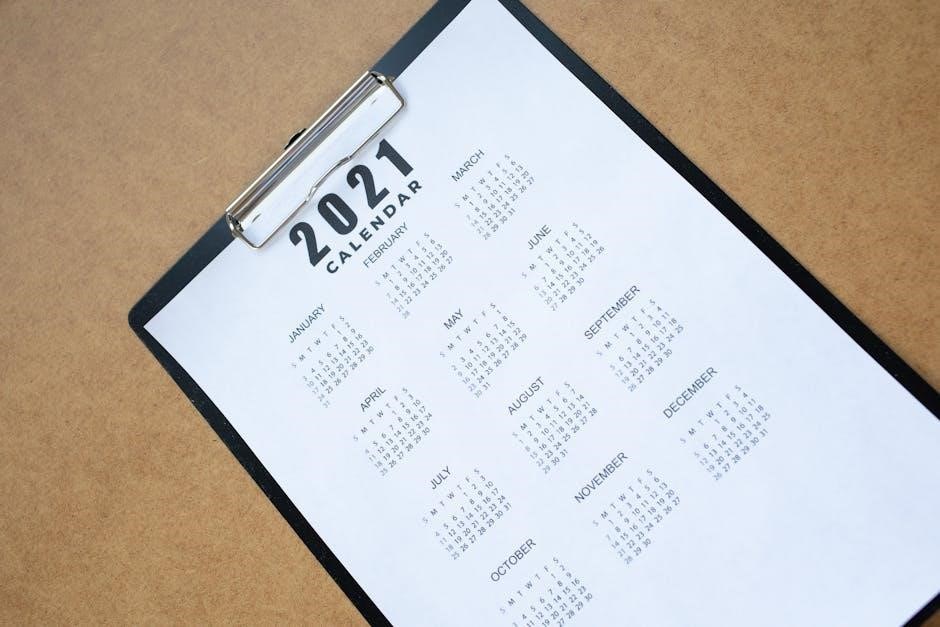
An April Calendar PDF is a digital document, specifically in Portable Document Format, designed to display the days, weeks, and events of April in a structured manner. These calendars, readily available for free download from websites like EntheosWeb.com and Dishcuss.com, offer a convenient and universally accessible way to plan and organize the month.

Unlike traditional paper calendars, a PDF version allows for easy printing, digital storage, and often, customization. They come in various layouts – monthly, weekly, or daily – catering to different planning preferences. The visual examples found online showcase diverse designs, from simple and functional to more aesthetically pleasing options, including themed calendars.

Why Use a Printable April Calendar?

Printable April calendars offer a tangible planning experience, distinct from digital alternatives. They allow for visual overview of the month, facilitating better time management and event tracking. Downloading PDFs from sources like EntheosWeb and Dishcuss provides readily available, customizable templates.

The act of physically writing appointments and tasks can enhance memory retention. Printable calendars also eliminate digital distractions, promoting focused planning. Furthermore, they’re ideal for shared spaces – kitchens, offices – ensuring everyone stays informed; The convenience of printing allows for personalized sizes and layouts, adapting to individual needs and preferences.

Benefits of Using a PDF Format

PDFs ensure your April calendar appears consistently across all devices and operating systems, preserving formatting from sites like EntheosWeb and Dishcuss. This universal compatibility is a key advantage. They are easily downloadable and shareable, making collaboration simple.

PDFs are also relatively secure, preventing unintended alterations to your carefully planned schedule. While some PDFs allow editing with tools like Adobe Acrobat Reader, many offer protection against accidental changes. Their compact file size facilitates easy storage and quick access, streamlining your organizational process.

Types of April Calendar PDFs Available

A diverse range of April calendar PDFs caters to varied preferences. Standard monthly calendars provide a traditional overview, while weekly layouts offer more detailed scheduling. Daily planner calendars are ideal for meticulous time management.

Beyond functionality, themed calendars – such as floral or Easter designs – add a personal touch. Resources like EntheosWeb and Dishcuss showcase these options. Users can find calendars prioritizing aesthetics alongside practicality, ensuring a visually appealing and organized April. The availability is broad, fitting diverse needs.

Standard Monthly Calendar

The classic April calendar PDF typically presents a full month on a single page, showcasing all dates at a glance. This format is ideal for noting key appointments and deadlines without excessive detail. EntheosWeb and Dishcuss both offer variations of this standard layout, often with clean, minimalist designs.

These calendars prioritize overview and simplicity, making them perfect for wall display or quick reference. They are a foundational choice for basic scheduling needs, providing a clear visual representation of April’s structure.

Weekly Calendar Layouts

Weekly April calendar PDFs break down the month into individual weeks, offering more space for detailed planning. These layouts, available from resources like EntheosWeb and Dishcuss, typically display Monday to Sunday, allowing for specific daily task allocation.

This format is beneficial for those who prefer a more granular approach to scheduling, enabling them to visualize their week at a glance. The increased space accommodates notes, to-do lists, and reminders, promoting better time management and organization throughout April.

Daily Planner Calendars

For meticulous scheduling, daily planner April calendar PDFs provide the most detailed organization. These layouts dedicate a full page (or more) to each day of April, allowing ample space for hourly breakdowns and comprehensive task lists.

Resources like EntheosWeb and Dishcuss may offer these, catering to individuals who thrive on detailed planning. This format is ideal for managing appointments, projects, and personal commitments with precision, ensuring no detail is overlooked throughout the month of April.

Themed April Calendars (Floral, Easter, etc.)

Elevate your planning with visually appealing themed April calendar PDFs! Many websites offer calendars incorporating seasonal designs like blooming florals or festive Easter imagery. These calendars blend functionality with aesthetics, making planning a more enjoyable experience.

EntheosWeb and similar platforms frequently showcase these options, providing a delightful touch to your daily organization. Themed calendars can brighten your workspace and add a personal flair to your April schedule, making it both practical and visually stimulating.

Where to Find Free April Calendar PDFs

Numerous online resources offer free April calendar PDFs for download. EntheosWeb.com stands out as a prominent source, providing a variety of printable calendar designs to suit different preferences. Dishcuss.com also presents options, alongside other websites dedicated to free printable resources.

A quick online search will reveal a plethora of choices, ranging from simple monthly layouts to more elaborate designs. These platforms generally offer calendars in PDF format, ensuring easy access and compatibility across various devices. Explore these sites to find the perfect calendar!

EntheosWeb.com

EntheosWeb.com is a valuable resource for obtaining free April 2024 printable calendars in PDF format. The site offers a selection of visually appealing calendar designs, readily available for download. Users can find calendars suitable for various organizational needs, from basic monthly overviews to more detailed planning layouts.

Their offerings include Pinterest-inspired pin designs, showcasing sample calendars. EntheosWeb provides a convenient and accessible platform for individuals seeking free, high-quality April calendars to enhance their scheduling and productivity. It’s a great starting point for your search!

Dishcuss.com

Dishcuss.com presents a diverse collection of April 2024 calendar options, available as free PDF downloads. The platform features calendars with varying aesthetic styles, including designs incorporating red and white color schemes and icon-based layouts. Users can explore options like “Sample Calendar 2024” and “Month 7 Calendar” to find a suitable template.

Dishcuss provides a visually-driven experience, with thumbnails showcasing calendar designs. It’s a useful resource for those seeking unique and readily printable April calendars to aid in personal or professional organization. The site offers a quick way to access calendar templates.

Other Online Resources for Free Calendars

Beyond EntheosWeb and Dishcuss, numerous online platforms offer free April 2024 calendar PDFs. A broad Yandex image search reveals a multitude of options, though specific site details require further investigation. Many websites specialize in printable templates, including calendars, catering to diverse organizational needs.

Exploring these resources often involves navigating through various designs and formats. Users can typically filter by style, layout (monthly, weekly, daily), and theme. Remember to verify download safety and file integrity before opening any PDF from unfamiliar sources. A little searching yields plentiful choices!

Customizing Your April Calendar PDF

Personalize your April calendar PDF to maximize its utility! After downloading, readily add personal events, appointments, and reminders. Utilize PDF editing software – like Adobe Acrobat Reader or alternatives – to directly input text. Enhance organization by employing highlighting and color-coding for different event categories.

Consider adding notes, stickers, or even images to make your calendar visually appealing and uniquely yours. This customization transforms a generic template into a powerful, personalized planning tool, perfectly tailored to your specific needs and schedule.

Adding Personal Events and Appointments

Seamlessly integrate your life into your April calendar PDF! After downloading a template, begin by directly adding personal events – birthdays, anniversaries, or social gatherings. Don’t forget important appointments, like doctor visits or meetings. Utilize the PDF’s text editing features to clearly label each entry with date, time, and a brief description.

Remember to include recurring events for convenience. A well-populated calendar, reflecting your commitments, becomes an invaluable tool for time management and ensuring nothing slips through the cracks throughout April.

Using Highlighting and Color-Coding

Maximize your April calendar PDF’s effectiveness with strategic highlighting and color-coding! Assign distinct colors to different event categories – work, personal, family, or health. This visual cue instantly differentiates commitments at a glance. Utilize highlighting to emphasize crucial deadlines or appointments requiring immediate attention.

Consider a key or legend to clarify your color scheme. This simple technique transforms a standard calendar into a dynamic, easily navigable overview of your April schedule, boosting productivity and reducing the risk of overlooked obligations.

Printing Options and Paper Size

When printing your April calendar PDF, consider your needs. Standard US Letter (8.5 x 11 inches) is common, but A4 paper (210 x 297 mm) is also suitable. Check your printer settings for optimal scaling – ensure the calendar fits the page without cropping.

Experiment with grayscale or color printing based on your preference and ink availability. For durability, print on heavier weight paper. Many PDFs offer options for multiple calendars per page, ideal for compact overviews. Preview the print before finalizing to avoid wasted paper!

Software for Opening and Editing PDF Calendars

Adobe Acrobat Reader is the gold standard for viewing PDFs, offering reliable performance and accessibility features. However, several alternatives exist! Foxit Reader and Sumatra PDF are lightweight and fast options. For basic editing – adding text or highlighting – consider PDFescape or Smallpdf online.

More advanced editing, like changing calendar content, often requires a paid Adobe Acrobat subscription. Ensure your chosen software supports the PDF version of your April calendar for seamless viewing and functionality.

Adobe Acrobat Reader

Adobe Acrobat Reader remains the most widely used software for opening and interacting with PDF April calendars. It’s a free, reliable tool available for Windows and macOS, ensuring consistent viewing across platforms. Beyond simple viewing, it offers features like digital signatures and form filling.

While basic functionality is free, advanced editing capabilities require a paid subscription to Adobe Acrobat Pro. However, for simply viewing, printing, and annotating your April calendar PDF, the Reader version is perfectly sufficient and readily accessible to most users.

Alternative PDF Readers

Fortunately, several excellent alternatives to Adobe Acrobat Reader exist for viewing April calendar PDFs. Foxit Reader is a popular choice, offering a lightweight and fast experience with similar features. SumatraPDF is another free option, known for its minimal design and portability – ideal for quick access.

These alternatives generally support basic PDF functions like printing and searching, ensuring you can effectively utilize your downloaded April calendars. Choosing an alternative often depends on personal preference and specific feature requirements, providing flexibility beyond Adobe’s ecosystem.

Basic PDF Editing Tools

While full-scale PDF editing often requires paid software, several tools allow basic modifications to your April calendar PDFs. Adobe Acrobat Reader DC itself offers features like adding text comments and highlighting important dates. Online PDF editors, such as Smallpdf or iLovePDF, provide browser-based options for simple tasks like merging or splitting files.

These tools are useful for adding personal notes or reminders directly onto your calendar. However, remember that free tools may have limitations on editing capabilities, so complex changes might necessitate more robust software.

Tips for Effective Calendar Use

To maximize the benefits of your April calendar PDF, prioritize tasks by marking deadlines and important events with distinct colors. Utilize highlighting to draw attention to key appointments or reminders. Implement time blocking techniques, scheduling specific blocks for focused work or dedicated activities.

Set reminders – digital or physical – to ensure you never miss a crucial date. Regularly review your calendar, ideally daily, to stay organized and proactive. A well-used calendar transforms from a simple date tracker into a powerful productivity tool.

Prioritizing Tasks

Effectively using your April calendar PDF begins with task prioritization. Identify critical deadlines and appointments, marking them prominently with color-coding. Distinguish between urgent and important tasks; focus on high-impact activities first. Break down larger projects into smaller, manageable steps and schedule them accordingly.

Utilize the calendar to allocate specific time slots for each task, preventing overwhelm. Regularly reassess priorities as new commitments arise. A prioritized calendar isn’t just about scheduling; it’s about focused action and achieving goals.

Setting Reminders

Maximize your April calendar PDF’s utility by integrating reminders. Leverage the digital features of your PDF reader – many allow direct reminder settings linked to your device. Alternatively, manually note reminders alongside events within the calendar itself. Consider setting multiple reminders for crucial deadlines, ensuring ample preparation time.

Don’t rely solely on the calendar; synchronize it with your preferred task management apps. Regularly review upcoming events and reminders to stay proactive. Effective reminders transform your calendar from a passive schedule into an active productivity tool.

Time Blocking Techniques

Enhance productivity with time blocking, utilizing your April calendar PDF to schedule dedicated blocks for specific tasks. Allocate fixed time slots for work, appointments, and even leisure, treating each block as a non-negotiable commitment. Visually delineate these blocks using color-coding within your PDF for easy identification.

Prioritize deep work by scheduling uninterrupted blocks. Buffer time between blocks for transitions and unexpected delays. Regularly review and adjust your time blocks based on actual task completion rates, optimizing your schedule for maximum efficiency.

April 2024 Specific Events & Holidays to Include

Ensure your April 2024 calendar PDF incorporates key dates for comprehensive planning. Mark Easter (date varies), a significant holiday often requiring travel or family gatherings. Don’t forget April Fool’s Day, a lighthearted occasion for fun. Highlight Earth Day, prompting environmental awareness and potential activities.

Add any personal events coinciding with these dates. Utilize color-coding to differentiate between holidays, appointments, and personal commitments within your PDF. Regularly check for accuracy, ensuring a well-organized and informative April calendar.

Easter (Date Specific)

Easter’s date fluctuates annually, making it crucial to verify the specific date for April 2024 when populating your calendar PDF. Typically, Easter falls between March 22nd and April 25th. In 2024, Easter is on March 31st, but planning often extends into early April.

Mark Easter Sunday and any related events – church services, family brunches, or egg hunts – directly onto your April calendar PDF. Consider adding reminders leading up to the holiday for preparations. Utilize color-coding to visually distinguish Easter-related events from other appointments.

April Fool’s Day

April Fool’s Day, observed annually on April 1st, is a day for lighthearted pranks and playful jokes. Integrate a reminder into your April calendar PDF to anticipate potential trickery or to plan a harmless prank of your own! Consider noting it with a playful icon or color to easily identify the date;

While primarily a day for fun, it’s wise to remain mindful of work commitments and important appointments. Ensure any planned pranks don’t disrupt crucial tasks. Your April calendar PDF can serve as a reminder to balance amusement with responsibility on this quirky holiday.

Earth Day

Earth Day, falling on April 22nd, is a crucial date dedicated to environmental awareness and action. Utilize your April calendar PDF to schedule eco-friendly activities, such as volunteering for a cleanup, planting trees, or simply reducing your carbon footprint. Mark the date prominently with a green icon or color-coding to emphasize its importance.

Beyond a simple reminder, your calendar can house specific plans – a recycling drop-off, a nature walk, or research into sustainable practices. Integrating Earth Day into your schedule via a PDF calendar fosters a proactive approach to environmental responsibility throughout the month.

Downloading and Saving April Calendar PDFs

Upon finding your desired April calendar PDF from resources like EntheosWeb or Dishcuss, ensure a smooth download process. Select “Save” rather than “Save As” to utilize default folder settings, or choose a dedicated “Calendars” folder for organization. Employ clear file naming conventions – “April2024Calendar_Weekly” or “April2024_Floral” – for easy identification.

Regularly back up these files to a cloud service or external drive to prevent data loss. Consider creating duplicate copies for redundancy. Consistent organization and backups safeguard your customized April calendar, ensuring accessibility and peace of mind throughout the month.

File Naming Conventions

Establishing consistent file naming conventions is crucial for efficient April calendar PDF management. Incorporate the month and year – “April2024” – as a prefix for immediate identification. Add descriptors indicating the calendar’s layout, such as “_Weekly,” “_Monthly,” or “_Daily.” For themed calendars, include keywords like “_Floral” or “_Easter.”

Avoid spaces and special characters; use underscores (_) instead. Maintain a uniform structure across all files. Example: “April2024_Monthly_Floral.pdf”. This systematic approach streamlines searching and organization, saving valuable time when accessing your preferred April calendar.

Organizing Your Calendar Files

Effective organization of your April calendar PDFs is key to productivity. Create a dedicated folder – for example, “Calendars” or “April_Calendars” – within your document storage system. Consider subfolders based on calendar type: “Monthly,” “Weekly,” “Daily,” and “Themed.”

Consistently save downloaded PDFs into their respective folders immediately. Regularly review and delete duplicates. Utilize cloud storage services like Google Drive or Dropbox for accessibility and backup. A well-structured file system ensures quick retrieval of your desired April calendar, maximizing efficiency and minimizing frustration.

Backing Up Your Calendars

Protecting your meticulously planned April calendar PDFs is crucial. Regularly back up your calendar files to prevent data loss due to technical issues or accidental deletion. Utilize cloud storage solutions like Google Drive, Dropbox, or OneDrive for automatic backups.

Alternatively, copy your calendar folder to an external hard drive or USB flash drive. Implement a backup schedule – weekly or monthly – to ensure your data remains current; Consider a redundant backup strategy, using multiple backup methods for enhanced security and peace of mind.

Troubleshooting Common PDF Issues

Encountering problems with your April calendar PDFs? If a PDF won’t open, ensure you have a compatible PDF reader like Adobe Acrobat Reader installed and updated. Check file associations to confirm PDFs are linked to the correct program.

For printing issues, verify your printer is connected and has sufficient ink or toner. If editing is restricted, the PDF may be secured; look for options to request permission. Try a different PDF reader if one fails. Restarting your computer can often resolve temporary glitches.

PDF Won’t Open

Facing difficulty opening your April calendar PDF? First, confirm you have a reliable PDF reader installed, such as Adobe Acrobat Reader, and that it’s the latest version. Ensure the file hasn’t been corrupted during download – try downloading it again from the source.

Check if the file association for PDFs is correctly linked to your chosen reader in your operating system settings. A damaged PDF reader installation might also be the culprit; try reinstalling it. Finally, a very large or complex PDF could cause issues on older systems.

Printing Problems

Experiencing issues printing your April calendar PDF? Verify your printer is correctly connected and has sufficient ink or toner. Ensure the correct printer is selected within the print dialog box of your PDF reader. Check the page scaling option; selecting “Fit” or “Shrink to Fit” can resolve cropping issues.

Confirm your paper size settings in both the PDF reader and your printer settings match the paper loaded in the tray. A corrupted printer driver could also be the cause – try updating or reinstalling it. Lastly, test printing a different PDF to isolate the problem.

Editing Restrictions

Many April calendar PDFs are designed as static documents, meaning direct editing of text and graphics within standard PDF readers like Adobe Acrobat Reader may be limited; This is often intentional, preserving the calendar’s formatting. However, some PDFs may allow filling in form fields or adding text annotations.

For extensive edits, consider using a full-featured PDF editor, though these often require a paid subscription. Alternatively, you could print the calendar and manually write in your appointments. Understanding these restrictions helps manage expectations when personalizing your chosen April calendar PDF.

Accessibility Features in PDF Calendars

Modern April calendar PDFs increasingly incorporate accessibility features for diverse users. Crucially, screen reader compatibility allows visually impaired individuals to navigate and interpret calendar content effectively. Adjustable font sizes cater to those with visual preferences or needs, enhancing readability.

Furthermore, thoughtful design includes color contrast options, ensuring information is discernible for users with color blindness. Well-structured PDFs with tagged content improve navigation for assistive technologies. These features promote inclusivity, making April calendars usable by a wider audience.

Screen Reader Compatibility

Ensuring April calendar PDFs are screen reader compatible is paramount for accessibility. Properly tagged PDFs allow screen readers to interpret the document’s structure, conveying dates, events, and notes to visually impaired users. This involves defining headings, lists, and table structures accurately.

Alternative text descriptions for images, like calendar graphics, are also vital. A well-constructed PDF enables seamless navigation using keyboard commands. Testing with various screen readers—like JAWS or NVDA—confirms functionality. Ultimately, compatibility empowers all users to effectively manage their April schedules.

Adjustable Font Sizes

A key accessibility feature of April calendar PDFs is adjustable font sizing. Users with visual impairments or preferences for larger text benefit greatly from this capability. Reflowable text, adapting to the screen size, enhances readability. Many PDF readers, including Adobe Acrobat Reader, offer zoom functions and font size controls.

This allows individuals to customize the calendar’s appearance for optimal comfort. Ensuring the PDF isn’t image-based, but utilizes actual text, is crucial for resizing to work effectively. Prioritizing accessibility means catering to diverse visual needs.

Color Contrast Options

Effective April calendar PDFs prioritize color contrast for improved readability, especially for users with visual impairments. High contrast between text and background colors – like black text on a white background, or vice versa – significantly reduces eye strain. Some PDF creators offer pre-set high contrast themes.

Alternatively, users can often adjust color settings within their PDF reader. Consider avoiding color combinations that are difficult to distinguish, such as light blue and yellow. Accessibility guidelines recommend a contrast ratio of at least 4.5:1 for normal text and 3:1 for large text.